How I Secured My Family’s Legacy Without Losing What Matters
Inheriting family wealth isn’t just about money—it’s about values, traditions, and memories passed down through generations. I once thought estate planning was only for the ultra-rich, until I faced the messy reality of preserving cultural heritage while protecting assets. What I learned transformed my approach: investment tools aren’t just for growth—they’re shields for legacy. This is how I found a way to honor the past while securing the future, one smart financial move at a time.
The Hidden Challenge Behind Cultural Inheritance
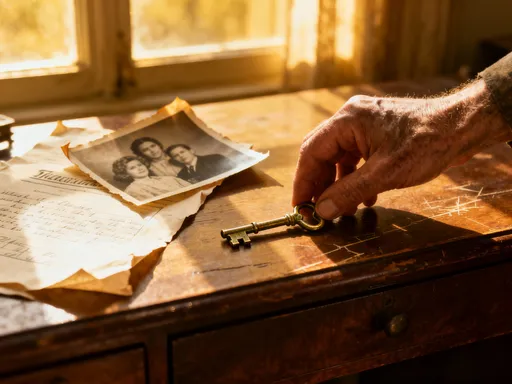
For many families, especially those with deep cultural roots, inheritance is far more than a transfer of property or bank balances. It is the continuation of a story—of ancestors who built something from nothing, of traditions preserved through hardship, of values taught through action rather than words. When I first began thinking about what I wanted to pass on to my children, I realized that the most valuable things could not be measured in dollars. The family recipe book, the land where my grandparents farmed, the small business started in a garage—these were not just assets. They were symbols of resilience, identity, and belonging.
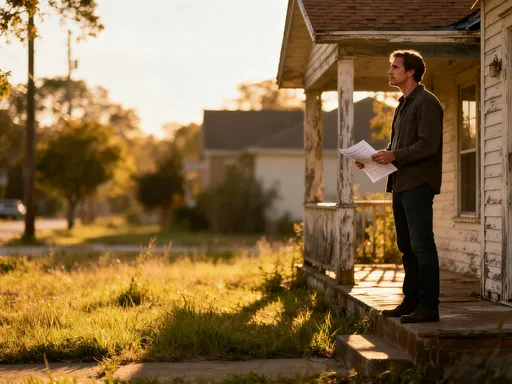
Yet, as I soon discovered, sentiment alone does not protect heritage. In fact, it can sometimes threaten it. Without a structured plan, emotional attachments can lead to disputes, mismanagement, or the slow erosion of what was meant to be preserved. I witnessed this when my aunt inherited the family home. She wanted to keep it as a tribute to her parents, but mounting maintenance costs and unclear ownership expectations among cousins turned it into a source of stress. What began as an act of love became a financial burden, and eventually, the house was sold—not out of disrespect, but out of necessity.
This experience opened my eyes to a critical truth: cultural inheritance requires more than good intentions. It requires strategy. The emotional weight of family heirlooms, land, or businesses demands a financial framework that respects both their symbolic value and their practical realities. A simple will, while important, often fails to address the complexities of shared memory, unequal contributions, or changing economic conditions. For families with multigenerational stories, the challenge is not just to pass things down, but to ensure they remain meaningful, functional, and united across time.
Why Traditional Wills Aren’t Enough Anymore
Most people believe that drafting a will is sufficient to protect their estate. In theory, it is a clear declaration of who receives what after death. In practice, however, a will is often just the beginning of a much longer and more complicated process. It does not shield assets from estate taxes, which can take a significant portion of value before anything is transferred. It does not prevent family disputes, especially when emotions run high or expectations are misaligned. And it does not protect against external forces like market downturns, legal challenges, or regulatory changes that can quietly diminish an inheritance over time.
I learned this lesson when our family faced an unexpected zoning change that devalued a piece of agricultural land passed down for three generations. The will clearly stated who would inherit it, but it did nothing to anticipate how shifting regulations could affect its usability or worth. Without a mechanism to adapt, the land lost much of its economic and emotional value. What was once a source of pride became a liability—difficult to maintain, harder to sell, and impossible to develop. This was not due to neglect, but to a lack of foresight in the planning process.
Moreover, wills go through probate—a public, often lengthy, and sometimes costly legal process that delays distribution and exposes family matters to scrutiny. During this time, assets may sit idle, losing value to inflation or missed investment opportunities. For families with businesses or real estate, this delay can disrupt operations and damage relationships. Even worse, if a will is contested—something more common than many realize—the entire process can become adversarial, pitting relatives against one another in courtrooms rather than at dinner tables.
The truth is, a will answers only one question: who gets what? But for families invested in cultural continuity, the more important questions are how the inheritance will be preserved, how it will adapt to change, and how it will continue to serve future generations. These are questions that require tools beyond the traditional will—structures that offer control, flexibility, and protection in an unpredictable world.
Investment Tools That Do More Than Grow Money
When we think of investing, we often focus on returns—how much growth can be achieved, how quickly wealth can compound. But some financial tools serve a deeper purpose: they are designed not just to grow money, but to protect and transfer value across generations. I began exploring these options after realizing that preserving our family’s legacy required more than savings accounts or real estate holdings. I needed structures that could maintain control, reduce taxes, and ensure continuity, even as family dynamics evolved.
One of the most powerful tools I discovered was the trust. Unlike a will, a trust operates outside of probate, allowing for a smoother, private transfer of assets. More importantly, it enables the grantor—me, in this case—to set specific terms for how and when beneficiaries receive what is given. For example, I placed our family home into a revocable living trust, which allows me to retain control during my lifetime while ensuring it passes directly to my children without court involvement. I also included provisions that encourage them to maintain it as a shared family space, honoring its role as a gathering place for holidays and reunions.
Another valuable structure is the family limited partnership (FLP). This allows family members to pool assets—such as land or business interests—under a single entity, with clear roles and ownership shares. I used an FLP to consolidate our small agricultural holdings, assigning myself as the general partner with management authority, while my children became limited partners. This not only simplified decision-making but also provided tax advantages, as partnership interests can be gifted gradually, reducing estate tax exposure over time. More importantly, it created a framework for collaboration, teaching the next generation about stewardship and shared responsibility.
I also explored donor-advised funds (DAFs), which, while often associated with charitable giving, can play a role in legacy planning. By contributing to a DAF, I could support causes important to our family—such as education in rural communities—while involving my children in the grant-making process. This turned philanthropy into a shared value, reinforcing the idea that wealth is not just for personal benefit, but for continuing a tradition of giving. These tools, when used thoughtfully, do not replace emotion—they channel it into structure, ensuring that love and memory are not lost in legal disputes or financial decline.
Balancing Emotion and Strategy in Asset Transfer
Transferring family assets is never a purely financial decision. It is layered with history, loyalty, and unspoken expectations. A house is not just square footage and a roof—it is where children took their first steps, where elders shared stories, where generations gathered for meals. A business is not just revenue and profit margins—it is the embodiment of a parent’s work ethic, sacrifice, and vision. When these things are passed down, the emotional stakes are high, and without careful planning, even the most well-intentioned gestures can lead to conflict.
I have seen this happen too many times. Cousins who once vacationed together now refuse to speak because of a disagreement over land division. Siblings who shared everything as children grow distant after one inherits the family business and the other feels excluded. These rifts do not happen because people are selfish or unkind—they happen because emotions are left unstructured, and expectations are left unspoken. Without clear guidelines, love can turn into resentment, and legacy can become a source of division.
This is where structured planning becomes an act of care. By establishing clear rules and roles in advance, families can honor emotional attachments while avoiding the pitfalls of ambiguity. One concept that helped me was legacy mapping—a process of aligning financial tools with family values. It begins with conversations: What do we value most? Is it unity? Independence? Tradition? Education? Once these values are identified, financial decisions can be made to support them. For example, if unity is a priority, a shared trust with usage rights for all children may be more appropriate than dividing property equally. If education is central, funding 529 college savings plans for grandchildren becomes part of the legacy.
Another key is transparency. I held a family meeting where I explained my intentions, showed the structure of the trust, and invited questions. It was not always comfortable—some relatives were surprised, others skeptical—but it prevented misunderstandings later. I also made sure to treat each child fairly, even if not identically. One is involved in the family business and received a larger share of equity; another pursued a different path and was given more liquid assets. The goal was not mathematical equality, but equitable respect for each person’s role and contribution. In this way, planning became a way to express love, not just distribute wealth.
Risk Control: Protecting Heritage From Future Shocks
No legacy is immune to change. Markets fluctuate, laws evolve, and family circumstances shift. What feels secure today may face unexpected challenges tomorrow. I learned the importance of resilience after watching a close friend lose nearly everything during an economic downturn. His family had concentrated their wealth in a single property, assuming its value would only rise. When the market collapsed and tenants disappeared, he could not cover the mortgage. The property was foreclosed, and with it, a century of family history vanished in a matter of months.
This was a wake-up call. I realized that protecting cultural inheritance requires more than good intentions or legal documents—it requires risk management. The first step was diversification. While real estate and family businesses are important, I began allocating a portion of our assets to a balanced portfolio of stocks, bonds, and low-volatility funds. This does not mean abandoning tradition; it means ensuring that if one asset declines, others can provide stability. Diversification is not about maximizing returns—it is about creating a financial cushion that allows the family to withstand shocks without sacrificing core assets.
I also established a contingency fund—liquid savings set aside specifically for emergencies such as medical crises, job loss, or unexpected repairs on inherited property. This fund is held in a separate account, accessible only under predefined conditions, ensuring it is not eroded by daily expenses. Additionally, I reviewed and updated our insurance coverage, including life, long-term care, and umbrella policies. These tools do not generate returns, but they prevent catastrophic losses that could otherwise force the sale of irreplaceable assets.
Another layer of protection came from structuring ownership to limit exposure. For example, I placed our rental properties in a limited liability company (LLC), which shields personal assets from lawsuits related to the property. This is not about distrust—it is about recognizing that accidents happen, and one legal judgment should not endanger an entire legacy. By building these safeguards into the plan, I am not preparing for failure; I am preparing for continuity, ensuring that our heritage can endure whatever the future holds.
Practical Steps to Start Building Your Legacy Plan
Understanding the importance of legacy planning is one thing; taking action is another. I delayed starting for years, telling myself I had more time. Then a health scare reminded me that time is not guaranteed. The good news is, building a legacy plan does not require a fortune or a team of lawyers to begin. It starts with simple, thoughtful steps that anyone can take, regardless of wealth or complexity.
The first step is identifying your core cultural assets. These are not just financial—they are the things that carry meaning. Make a list: Is it a home? A business? A collection of family letters? A tradition like an annual reunion? Once identified, consider what you want for each—preservation, shared use, or eventual sale? This clarity guides the rest of the planning process. Next, initiate family conversations. Choose a calm setting and share your intentions. Ask questions: What do they value? What are their hopes for the future? These talks are not about making decisions on the spot, but about opening dialogue and aligning expectations.
Then, consult the right advisors. Look for a financial planner with experience in estate planning, a tax professional familiar with generational wealth, and an attorney who understands trusts and family dynamics. These experts can help you choose the right tools—such as a revocable trust, a 529 plan, or a family LLC—based on your goals. You don’t need to implement everything at once. Start small: fund a custodial account for a grandchild, draft a basic will, or transfer a bank account into payable-on-death designation. Each step builds momentum.
Finally, review and update regularly. Life changes—marriages, births, career shifts—and your plan should evolve with it. Set a calendar reminder to revisit your documents every three to five years, or after major events. The goal is not perfection, but progress. By beginning now, you give your family the greatest gift: the gift of preparation, unity, and peace of mind.
Looking Ahead: When Wealth Meets Wisdom
In the end, the most enduring inheritance is not what is written in legal documents, but what is lived in daily choices. I once believed that securing my family’s future meant maximizing returns and minimizing taxes. While those are important, I now see that true wealth lies in continuity—the ability to pass down not just assets, but values, stories, and a sense of belonging. The tools I have used—trusts, partnerships, insurance, and careful planning—are not cold financial mechanisms. They are vessels for memory, intention, and love.
What I have learned is that legacy is not something you leave behind—it is something you build while you are still here. It is in the conversations we have, the values we model, and the structures we put in place to honor both emotion and responsibility. A house can be sold, a business can close, but if the lessons of hard work, generosity, and unity have been passed down, the legacy survives.
For families with cultural heritage, the challenge is not to avoid change, but to guide it. The world will shift, economies will rise and fall, but with thoughtful planning, we can ensure that our stories are not lost in the noise. We can give the next generation not just resources, but roots. And in doing so, we turn wealth into wisdom, and money into meaning. The time to begin is not when everything is in place, but when the desire to protect what matters most is strong. That moment is now.