How I Turned Shiny Stones into Smart Investments — Mindset Secrets Revealed
What if your jewelry wasn’t just for show—but a quiet wealth builder? I used to see rings and necklaces as pure expenses. Then I shifted my mindset. Jewelry can be both beautiful and strategic. I learned how to choose pieces that hold value, avoid flashy traps, and think like an investor. This isn’t about getting rich overnight—it’s about patience, knowledge, and seeing jewelry differently. Let me walk you through the real game-changer: the investor mindset behind the sparkle.
The Hidden Truth Behind Jewelry as an Asset
Jewelry is often viewed as a luxury or emotional purchase, but beneath the surface lies a powerful financial truth: certain pieces can serve as real assets. Unlike stocks or bonds, jewelry is tangible—something you can hold, store, and pass down. It doesn’t rely on digital records or corporate performance to retain worth. When selected wisely, fine jewelry made from precious metals and high-quality gemstones can maintain or even increase in value over time. This potential transforms it from mere ornamentation into a form of personal wealth preservation.
The distinction between jewelry as decoration and jewelry as investment lies in intention and composition. Mass-produced costume jewelry, while stylish, is typically made from base metals and synthetic stones that degrade and lose value quickly. These items are designed for short-term wear, not long-term ownership. In contrast, investment-grade jewelry is crafted from materials with intrinsic worth—gold, platinum, and gemstones like diamonds, sapphires, and emeralds—whose rarity and demand help sustain their market value. The key is not just beauty, but verifiable quality and enduring appeal.
Historically, gold has acted as a hedge against inflation and currency devaluation. During periods of economic uncertainty, its price often rises as investors seek stable stores of value. Platinum, though less commonly discussed, shares similar properties and is even rarer than gold, making it a compelling option for those looking to diversify. Gemstones add another layer: rare, high-color sapphires from Kashmir or untreated emeralds from Colombia have demonstrated long-term appreciation, especially when accompanied by reputable certification. These materials don’t generate income like dividends, but they protect purchasing power across generations.
Another advantage of jewelry as an asset is portability. Unlike real estate, which is fixed in location and subject to property taxes, jewelry can be securely stored and transported with relative ease. This makes it a practical component of wealth management, particularly for families who value discretion and mobility. When properly documented and insured, a collection of fine pieces can serve as a financial safety net during life transitions such as retirement, education funding, or unexpected medical needs. The emotional resonance of heirloom jewelry further enhances its role, blending sentiment with substance in a way few other assets can.
Shifting from Consumer to Investor Thinking
The average jewelry buyer shops with emotion: drawn to a sparkling ring because it reminds them of a special moment, or purchasing a necklace to mark an achievement. While these motivations are deeply human, they often lead to decisions that prioritize immediate satisfaction over lasting value. The shift from consumer to investor thinking requires a fundamental change in mindset—one that replaces impulse with intention, and desire with discipline. Instead of asking, “Do I love how this looks?” the investor asks, “Will this retain or grow in value over time?”
This mental reset begins with awareness. Most retail jewelry carries a significant markup—sometimes 100% or more above the intrinsic value of materials. A $5,000 diamond ring may contain only $2,000 worth of gold and stone, with the rest covering branding, marketing, and overhead. As a consumer, this premium might feel justified by the store’s reputation or the shopping experience. But as an investor, that same markup represents a hurdle: the piece must appreciate substantially just to break even. Recognizing this reality encourages more thoughtful spending and a focus on value retention from the moment of purchase.
Investor thinking also involves evaluating durability and timelessness. Trends come and go, but classic designs—solitaire diamond rings, simple gold chains, pearl strands—remain in demand across decades. These pieces are more likely to appeal to future buyers, ensuring smoother resale. Similarly, materials matter: 18-karat gold holds more intrinsic value than 10-karat, and natural gemstones are generally more desirable than lab-created alternatives in the secondary market. An investor considers these factors objectively, resisting the allure of flashy designs that may lose appeal quickly.
Emotional spending often leads to regret. A woman might buy an elaborate cocktail ring during a celebratory trip, only to realize later that it doesn’t suit her daily style or lifestyle. Without a strong resale market for such niche items, she may struggle to recover her investment. In contrast, disciplined buyers research before purchasing, compare prices across dealers, and wait for favorable market conditions. They understand that patience pays—both in avoiding overpayment and in allowing time for better opportunities. This approach fosters financial confidence and reduces the risk of impulse-driven losses.
Choosing the Right Pieces That Hold Value
Not all jewelry is created equal when it comes to investment potential. The most valuable pieces share common traits: high material quality, recognized craftsmanship, and timeless design. The foundation of any smart purchase is the metal. Gold, particularly in 18-karat or higher purity, has a long history of maintaining value. Look for hallmarks that verify fineness—such as “750” for 18k gold or “950” for platinum—as these provide assurance of authenticity. Pieces made from lower karat gold or mixed alloys may be less desirable over time, especially if they tarnish or wear down.
Gemstone selection is equally critical. Diamonds remain the most widely recognized investment stone, but not all diamonds are equal. The “Four Cs”—cut, color, clarity, and carat weight—determine a diamond’s quality and marketability. A well-cut, colorless diamond with high clarity and a carat weight of one or more tends to hold value better than smaller, lower-grade stones. Certification from respected labs like the Gemological Institute of America (GIA) or the American Gem Society (AGS) is essential, as it provides an unbiased assessment of these characteristics. Without such documentation, resale becomes difficult and prices may be significantly discounted.
Colored gemstones can also be strong performers, but they require more specialized knowledge. Natural, untreated sapphires in rich blue hues, particularly those from historic sources like Kashmir or Burma, are highly sought after. Similarly, vivid green emeralds with minimal treatment and rubies from Myanmar’s Mogok region have demonstrated long-term appreciation. These stones are rarer than diamonds in fine quality, but they also carry higher risk due to less standardized grading and smaller secondary markets. Buyers should proceed with caution, prioritizing stones with clear provenance and third-party reports.
Design plays a subtle but important role. While avant-garde or highly branded pieces may appeal to collectors, they often limit resale options. A Cartier Love bracelet or a Tiffany setting may carry premium pricing, but the brand markup can make it harder to recoup full value. Simpler, classic designs—such as a round brilliant diamond solitaire or a pair of pearl earrings—are more universally appealing and easier to sell. The goal is to balance beauty with broad market demand, ensuring that the piece remains desirable to future buyers regardless of shifting trends.
Timing the Market Without Chasing Trends
Jewelry markets move differently than stock markets. Prices for gold, platinum, and gemstones do not fluctuate hourly, but they respond to broader economic forces over time. Understanding these patterns allows investors to make strategic purchases without falling into the trap of speculation. For example, gold prices often rise during periods of inflation or geopolitical instability, as investors seek safe-haven assets. Buying gold jewelry during economic downturns—when demand for luxury goods is low—can yield better value, as retailers may offer discounts to maintain sales.
Similarly, gemstone prices are influenced by supply constraints and collector demand. A rare pink diamond or a fine Burmese ruby may appreciate steadily when new sources are limited and interest remains strong. However, trying to “time” these movements precisely is rarely effective. The jewelry market lacks the liquidity and transparency of public exchanges, making short-term trading impractical for most individuals. Instead, the smart approach is to focus on long-term ownership and purchase when personal financial conditions are favorable—such as when savings are strong and debt is low.
Seasonal trends can also affect pricing. Jewelry sales often slow in the summer months, while holiday seasons see increased demand and higher prices. Buying during off-peak times—May or September, for instance—can lead to better deals, especially if stores are clearing inventory. Additionally, estate sales, auctions, and reputable secondhand dealers may offer undervalued pieces that have already passed through the initial depreciation phase. These opportunities allow investors to acquire high-quality items at a discount, improving long-term return potential.
The key is patience. Unlike speculative trading, where quick profits are the goal, jewelry investment rewards those who hold for years or even decades. A piece purchased during a market dip may take several years to reach its full value, but consistent upward trends in precious metals and rare stones suggest that time is often on the investor’s side. By avoiding the urge to chase trends or react to short-term fluctuations, buyers protect themselves from emotional decision-making and position their collections for steady growth.
Authenticity, Appraisal, and Documentation: The Investor’s Toolkit
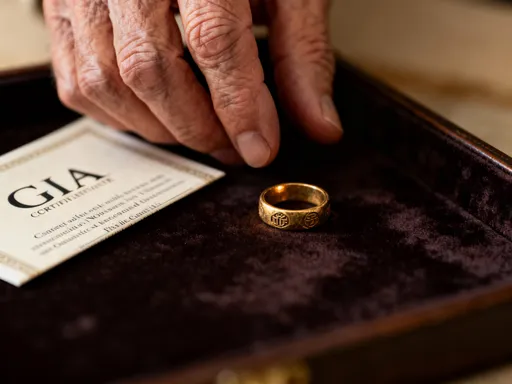
No amount of beauty or craftsmanship matters if a piece cannot be verified. Authenticity is the cornerstone of jewelry investment, and documentation is the tool that proves it. Without proper certification, even the most valuable-looking ring may be worth a fraction of its potential. Third-party grading reports from institutions like the GIA, AGS, or International Gemological Institute (IGI) provide objective assessments of gemstone quality. These reports detail the Four Cs for diamonds and similar metrics for colored stones, giving buyers and future sellers a trusted reference point.
Original receipts and purchase records are equally important. They establish provenance—proof of where and when the piece was acquired—and help confirm its legitimacy. Over time, these documents build a chain of ownership that enhances credibility. For vintage or antique jewelry, additional documentation such as historical appraisals or maker’s marks can significantly increase value. A signed piece from a renowned jeweler like Van Cleef & Arpels or Bulgari may command a premium, but only if its origin can be verified.
Professional appraisals should be updated every three to five years. These evaluations, conducted by certified gemologists, reflect current market values and are essential for insurance purposes. An outdated appraisal may leave the owner underinsured, risking financial loss in the event of theft or damage. Conversely, an accurate appraisal supports fair pricing when selling, helping to justify the asking price to potential buyers. Many reputable jewelers and independent appraisers offer this service, and the cost is a small investment compared to the protection it provides.
Storage and insurance are often overlooked but vital components of responsible ownership. Jewelry should be kept in a secure location—such as a home safe or bank vault—to prevent loss or theft. Insurance policies should specifically cover jewelry, with riders or scheduled personal property endorsements that list individual items. Standard homeowners’ insurance often has low limits for valuables, so additional coverage is necessary. Together, documentation, appraisal, and protection form a complete system that safeguards both the physical and financial integrity of the collection.
Knowing When to Hold and When to Sell
One of the most challenging aspects of jewelry investment is knowing when to let go. Many owners hold onto pieces for emotional reasons—a wedding ring, a gift from a parent, a milestone purchase—making it difficult to assess them objectively. However, successful investing requires emotional detachment. The decision to sell should be based on financial logic, not sentiment. This means evaluating market conditions, the piece’s performance, and personal financial needs without letting nostalgia cloud judgment.
Most fine jewelry takes time to reach break-even status. Due to retail markups, a new piece may need to appreciate by 20% to 50% just to recover its original cost. Selling too early—within the first few years—often results in a loss. Holding for a decade or more increases the likelihood of positive returns, especially for items made from gold or rare gemstones. Investors should view jewelry as a long-term holding, similar to real estate or collectible art, rather than a short-term tradable asset.
There are clear signals that it may be time to sell. Major life changes—such as divorce, retirement, or the need to fund a child’s education—can make liquidating part of a collection a practical choice. Market peaks also present opportunities. If gold prices have risen significantly or demand for certain gemstones is high, selling during these periods can maximize returns. Additionally, if a piece no longer aligns with investment goals—perhaps it’s too niche, poorly documented, or difficult to insure—it may be better to sell and reinvest in more promising assets.
When selling, choosing the right channel matters. Auction houses, estate buyers, and specialized jewelers can offer fair prices for high-quality pieces, especially those with certification. Online marketplaces carry more risk due to fraud and undervaluation, so caution is advised. Getting a second appraisal before selling can help ensure the asking price is realistic. Ultimately, a well-timed sale—based on research, market awareness, and personal need—can turn a beautiful object into meaningful financial gain.
Building a Balanced Approach: Jewelry in Your Broader Portfolio
Jewelry should never be the sole focus of a financial plan. It is best understood as a complementary asset within a diversified portfolio. While it offers stability and inflation protection, it lacks the income-generating capacity of stocks, bonds, or rental property. It is also less liquid—selling jewelry takes time and effort compared to selling shares online. Therefore, financial advisors generally recommend allocating only a small percentage of total assets—typically 5% to 10%—to tangible items like fine jewelry, art, or collectibles.
The role of jewelry in wealth management is unique. It combines emotional value with financial utility, serving as both a personal treasure and a potential source of liquidity. During inflationary periods, when paper currencies lose purchasing power, the intrinsic value of gold and gemstones can help preserve wealth. Unlike digital assets, which depend on technology and infrastructure, jewelry remains accessible and recognizable across cultures and generations. This makes it a resilient component of long-term planning, especially for families who value legacy and continuity.
Balancing jewelry investment with other financial goals requires discipline. It means setting a budget, avoiding overexposure, and regularly reviewing the collection’s performance. It also means resisting the temptation to treat every purchase as an investment. Some jewelry should still be bought for joy, celebration, or self-expression—there is room for both heart and strategy in personal finance. The key is intentionality: knowing which pieces are for wearing and which are for holding.
In the end, the most successful investors are those who combine knowledge with patience. They understand that wealth is built not through quick wins, but through consistent, informed decisions. By applying an investor mindset to jewelry—focusing on quality, authenticity, and long-term value—individuals can transform sentimental objects into strategic assets. This is not about greed or speculation, but about empowerment: seeing beauty not just as decoration, but as a quiet, enduring form of financial strength.