Art, Soul, and Slow Sundays in Montevideo
Montevideo isn’t a city that shouts — it hums. Wandering its breezy waterfront, I realized this capital doesn’t rush you. Instead, it invites you to linger: in sunlit plazas, tucked-away galleries, and corner cafes where time melts into conversation. I came for the culture, stayed for the rhythm. Here, slow travel isn’t a trend — it’s the heartbeat. Every mural, museum, and mate shared tells a story worth savoring, not scanning. This is Uruguay’s quiet masterpiece.
The Pulse of Slow Travel in a Coastal Capital
Montevideo moves to a rhythm few capitals allow — one shaped not by traffic lights or crowded subways, but by the ebb and flow of the Rio de la Plata. Its 22-kilometer rambla, a seaside promenade stretching from Punta Gorda to Carrasco, is more than infrastructure; it’s a cultural artery where life unfolds at human speed. Locals jog, cycle, or simply sit on weathered benches, watching waves roll in as if time were measured in breaths, not minutes. This unhurried pulse defines the city’s identity and makes it an ideal destination for travelers seeking depth over distance.
Unlike many global cities where tourism revolves around checklists and timed entries, Montevideo rewards presence. There’s no need to sprint from monument to museum. Instead, the city encourages wandering without destination — down tree-lined avenues in Pocitos, through shaded plazas in Buceo, or along cobbled alleys in the historic Ciudad Vieja. The absence of overwhelming crowds means even popular spots feel intimate. You can stand before a colonial church or pause at a street musician’s corner without jostling for space. This openness fosters a sense of belonging, not observation.
The concept of *despacio* — slowly — is embedded in daily rituals. Breakfast might stretch into mid-morning at a neighborhood café where conversation flows as freely as coffee. Evenings often begin with a long walk along the rambla, followed by a casual dinner shared among family or friends. These moments aren’t luxuries; they’re the foundation of life here. For visitors, adopting this rhythm transforms sightseeing into living. It allows space to notice small details: the pattern of light on a tiled courtyard, the scent of eucalyptus in a public garden, the way a shopkeeper greets regulars by name.
Barrios like Punta Carretas and Pocitos exemplify this balance between urban convenience and relaxed charm. Once residential enclaves for the city’s elite, they now blend historic architecture with modern life. Tree-shaded parks host weekend markets, while corner kiosks sell fresh juice and pastries well into the evening. These neighborhoods don’t feel curated for tourists; they function as real communities where visitors are welcomed as temporary neighbors. By choosing to walk instead of drive, to pause instead of rush, travelers align themselves with Montevideo’s natural tempo — and discover that the city reveals itself only to those who move gently through it.
Street Art as Urban Storytelling
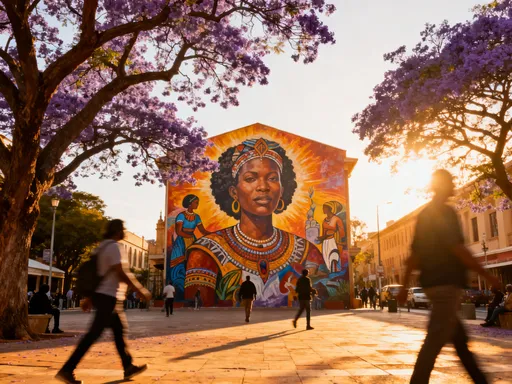
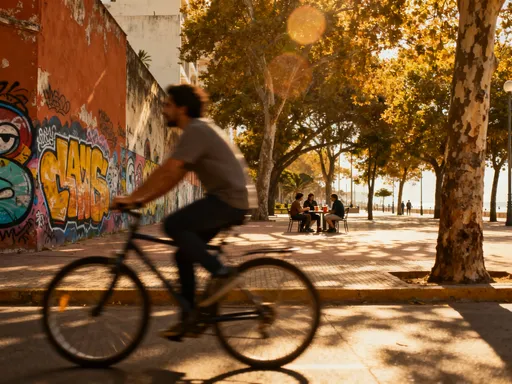
In Montevideo, art doesn’t wait behind glass cases. It leaps from walls, covers staircases, and transforms forgotten alleyways into open-air galleries. Street art here is not vandalism or mere decoration — it is a dynamic form of public expression, a visual dialogue between artists and citizens. From bold political statements to abstract explorations of identity, these murals reflect Uruguay’s layered history, democratic values, and social consciousness. To walk through certain neighborhoods is to read the soul of a nation painted in vibrant color.
Ciudad Vieja, the city’s historic heart, offers some of the most compelling examples. Here, colonial buildings stand shoulder-to-shoulder with modern interventions. A mural might depict a Tupamaro revolutionary, referencing the 1960s guerrilla movement that challenged dictatorship, while another celebrates women’s rights or environmental justice. These works do not shy away from difficult topics; instead, they invite reflection. Unlike sanitized public art in some cities, Montevideo’s murals often carry tension, irony, and hope in equal measure. They remind viewers that art can challenge as much as it delights.
The Palermo and Cordón neighborhoods showcase a different aesthetic — more experimental, less overtly political. Large-scale abstract pieces dominate, using geometric forms and surreal imagery to explore emotion and memory. Some murals incorporate recycled materials or optical illusions, engaging passersby in playful ways. Others evolve over time, with artists layering new work atop old, creating palimpsests of urban change. This fluidity reflects a culture that values creativity not as a static product but as an ongoing process.
For the slow traveler, exploring these artworks offers more than visual pleasure. It provides access to conversations that textbooks often miss. Guided mural tours, led by local artists or cultural historians, deepen understanding by explaining symbolism, historical context, and artistic techniques. But even self-guided walks yield rewards. Simply pausing before a mural, reading its message, or asking a local what it means can spark meaningful exchange. In a world where so much communication feels fleeting, Montevideo’s street art endures — not just on walls, but in the minds of those who take the time to see it.
Museums That Invite Contemplation, Not Checklists
Montevideo’s museums reject the notion that culture must be consumed quickly. Instead of vast halls echoing with tour groups and timed entry alerts, its galleries offer quiet spaces for engagement and introspection. The Museo Nacional de Artes Visuales (MNAV), perched on a hill in Parque Rodó, exemplifies this ethos. With natural light filtering through skylights and spacious rooms free of crowds, the museum allows visitors to stand before a painting without distraction. There’s no pressure to move on, no need to photograph everything. Here, seeing is not about accumulation — it’s about connection.
The collection spans centuries, from 19th-century academic works to contemporary installations. Uruguayan modernists like Joaquín Torres-García are well represented, their geometric abstractions bridging European avant-garde movements with indigenous symbolism. Colonial-era portraits and religious art provide insight into the country’s early identity, while rotating exhibitions spotlight emerging artists and underrepresented voices. What unites these works is a commitment to meaning — each piece feels intentional, not merely decorative.
Equally powerful is the Juan Manuel Blanes Museum, nestled in a 19th-century mansion surrounded by gardens. Named after one of Uruguay’s most revered painters, the museum houses works that capture pivotal moments in national history — the signing of the constitution, rural gaucho life, indigenous traditions. But beyond historical documentation, Blanes’ paintings convey emotion: dignity, resilience, longing. Standing before his masterpiece *La Cruzada Libertadora*, visitors don’t just learn about Uruguay’s past — they feel its weight.
Smaller institutions like the Museo Andes 1972 offer equally profound experiences, though of a different kind. Dedicated to the story of the 1972 Andes flight disaster and the survivors’ 72-day ordeal, the museum balances tragedy with messages of solidarity, faith, and human endurance. Artifacts, personal letters, and recorded testimonies create an atmosphere of reverence. It is not a place for casual browsing. Visitors often leave in silence, carrying reflections far beyond the museum walls.
What sets Montevideo’s museums apart is their accessibility and lack of pretension. Admission fees are modest, and staff greet guests warmly, often engaging in conversation about the works on display. There are no velvet ropes or hushed warnings — just space to look, think, and feel. In a travel culture obsessed with efficiency, these museums remind us that true understanding comes not from how many things we see, but from how deeply we allow ourselves to see them.
The Cultural Ritual of Mate and Corner Cafés
No symbol captures Montevideo’s spirit of connection more than the ritual of mate. More than a drink, it is a gesture of trust, a shared moment that transcends words. Across parks, plazas, and sidewalks, groups of friends, families, or coworkers gather in circles, passing a single gourd and thermos of hot water. The one who prepares the mate — the *cebador* — refills it continuously, ensuring everyone receives their turn. This simple act embodies the values of patience, generosity, and presence that define Uruguayan life.
For visitors, witnessing this ritual offers a window into the social fabric of the city. In Parque Batlle, elderly men sit on benches sipping mate as pigeons scatter nearby. Young professionals share a thermos during lunch breaks. Couples sip quietly on park benches, speaking little but communicating much. The rhythm is always slow, the mood contemplative. Unlike coffee culture, where speed and convenience often dominate, mate is never rushed. It is not consumed alone at a counter; it is shared, deliberately and communally.
While foreigners may hesitate to join, many locals welcome respectful curiosity. A smile, a nod, or a simple “¿Puedo probar?” (Can I try?) can open a conversation that lasts far longer than the mate itself. These interactions, though brief, often leave lasting impressions — not because of language exchanged, but because of the human warmth they convey.
Complementing this tradition are Montevideo’s historic cafés, many of which have served the city for over a century. Café Brasilero, established in 1870 in the heart of Ciudad Vieja, stands as a living monument to this culture of lingering. With its dark wood interiors, brass fixtures, and waiters in crisp white coats, it feels like stepping into another era. Patrons read newspapers, write in notebooks, or engage in long conversations over espresso and medialunas (sweet croissants). Time slows within its walls. There is no pressure to vacate a table after finishing a drink — staying is expected, even honored.
Other cafés, like Confitería La Giralda or Bar Amerigo, offer similar atmospheres — elegant yet unpretentious, bustling yet peaceful. They are not designed for working remotely or scrolling through phones. They exist for conversation, reflection, and connection. In a world increasingly defined by digital speed, these spaces preserve a different kind of value: the art of being together without agenda. For the traveler, sitting in one of these cafés is not just a break from sightseeing — it is a lesson in how a city chooses to live.
Neighborhoods That Unfold at Walking Pace
Montevideo’s true character resides not in grand monuments, but in its neighborhoods — each with its own rhythm, architecture, and community life. To experience the city deeply, one must resist the urge to see everything in a day. Instead, the reward lies in spending hours, even days, in a single barrio, allowing its essence to reveal itself gradually. This is where slow travel transforms from philosophy to practice.
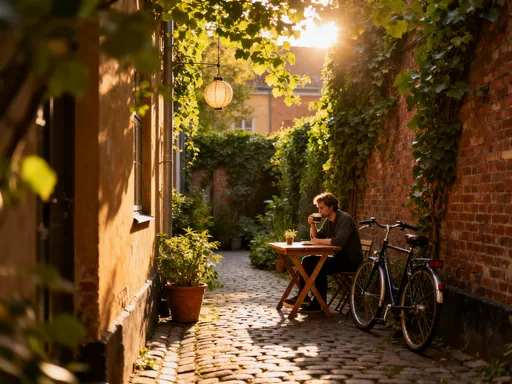
Ciudad Vieja, the old town, is a mosaic of colonial charm and bohemian energy. Its narrow streets wind past 18th-century buildings, now housing art galleries, design shops, and intimate restaurants. The Plaza Matriz, centered around the Metropolitan Cathedral, serves as a gathering point for locals and visitors alike. On weekends, artisans set up stalls selling handmade jewelry, textiles, and ceramics. Yet beyond the market, the neighborhood’s magic lies in its quiet corners — a hidden courtyard blooming with bougainvillea, a jazz trio playing in a tucked-away bar, a bookseller arranging titles beneath a striped awning.
Peñarol, often overlooked by guidebooks, is a neighborhood of artists and artisans. Former industrial spaces have been converted into studios where painters, sculptors, and ceramicists work in natural light. Open studio events, especially during the annual *Noche de Museos*, invite the public to engage directly with creators. There’s no commercial polish here — just authenticity, curiosity, and creative exchange. Walking through Peñarol feels like discovering a secret, one that the city keeps not to exclude, but to protect.
Barrio Sur, one of Montevideo’s oldest residential areas, offers a different kind of intimacy. Once home to Afro-Uruguayan communities and working-class families, it retains a strong cultural identity. Colorful houses with wrought-iron balconies line the streets, and the sound of candombe drums often echoes on Sunday evenings. The Mercado del Puerto, while popular with tourists during peak hours, takes on a more local character in the early morning or late afternoon. Fishmongers arrange fresh catch, bakers pull warm bread from ovens, and elderly residents chat over yerba mate. By visiting outside peak times, travelers witness not a performance, but daily life.
Each of these neighborhoods rewards attention. They are not destinations to be conquered, but spaces to inhabit. By returning to the same plaza, greeting the same vendor, or noticing how light changes on a particular wall at different times of day, visitors begin to see Montevideo not as a checklist, but as a living, breathing community.
Live Music, Tango, and the Soundtrack of the City
Music is not entertainment in Montevideo — it is memory, resistance, and celebration woven into the city’s streets. The most iconic expression is candombe, an Afro-Uruguayan rhythm played on three types of drums: *chico*, *repique*, and *bombo*. Every Sunday night, particularly in Barrio Sur and Palermo, the *llamadas* — traditional drum processions — take over the streets. Dozens of drummers, dressed in striped shirts and colorful hats, march in unison, their rhythms pulsing through the pavement. Locals gather on sidewalks, clapping, dancing, or simply standing in reverence. This is not a show for tourists; it is a living tradition passed down through generations.
For the slow traveler, witnessing a *llamada* is a humbling experience. There are no stages, no tickets, no amplification — just raw, communal sound. The beat resonates in the chest, connecting listeners not only to the music but to Uruguay’s complex history of African heritage, resilience, and cultural fusion. UNESCO has recognized candombe as Intangible Cultural Heritage, but in Montevideo, it needs no designation to be felt.
Tango, though often associated with Argentina, also thrives here, particularly in the courtyards and cultural centers of Ciudad Vieja. Intimate performances, often accompanied by bandoneón and violin, unfold in dimly lit spaces where every note carries longing. Unlike large-scale productions, these sessions prioritize emotion over spectacle. Visitors are not spectators but participants in a shared emotional landscape. Some venues even offer beginner lessons, allowing newcomers to step into the embrace of the dance and feel its slow, deliberate grace.
For those seeking structured performances, Casa de la Música offers a diverse program — from classical concerts to jazz ensembles and contemporary Uruguayan composers. The acoustics are exceptional, and the audience attentive, reflecting a deep respect for the art form. Yet even here, formality is balanced with warmth. Musicians often speak between pieces, sharing stories behind the music. This blend of excellence and intimacy defines Montevideo’s musical culture — it is not about perfection, but about connection.
Walking through the city at night, one might stumble upon impromptu performances: a guitarist in a plaza, a trio in a café, a poet reading beneath a streetlamp. These moments are unannounced, unplanned, and all the more precious for it. They remind travelers that in Montevideo, culture is not confined to institutions — it lives in the streets, in the people, in the air itself.
Why Staying Longer Reveals the Real Montevideo
The transformation begins subtly. At first, Montevideo feels like any other city — beautiful, perhaps, but familiar in its rhythms. But with time, something shifts. The traveler stops seeing sights and starts feeling the city. A shopkeeper remembers your coffee order. You learn the best time to walk the rambla without crowds. You begin to recognize the drumbeats of candombe before you see the procession. These small moments, accumulated over days, create a sense of belonging that no一日 tour can offer.
Staying longer allows immersion in the seasonal nuances of urban life. In summer, the rambla buzzes with families, swimmers, and open-air yoga classes. In winter, it quiets, revealing a more contemplative side — fog rolling in from the river, couples wrapped in coats sharing mate under streetlights. The city changes with the light, the temperature, the mood of its people. Only extended stays make these shifts visible.
Language becomes another bridge. While many Uruguayans speak some English, attempting Spanish — even imperfectly — opens doors. A simple “¿Cómo va?” or “Gracias por todo” invites smiles, corrections, and sometimes invitations to join a conversation. These exchanges are not transactional; they are human. They reflect a culture that values relationship over efficiency.
Most importantly, staying longer dismantles the illusion of tourism as conquest. Montevideo is not a place to be “done.” It is a place to be experienced — slowly, respectfully, and with openness. Its artistry lies not in grand monuments, but in the way a mural fades under rain, how a café hums at noon, how a drum circles the block on a Sunday night. These are not attractions; they are life.
To visit Montevideo is to accept an invitation — not to see, but to feel. To walk without purpose. To sit without agenda. To listen beyond words. In a world that glorifies speed, this coastal capital offers a quiet alternative: the courage to move slowly, to stay present, and to let a place change you. Come not as a spectator, but as a temporary neighbor. Let the city hum around you. And when you leave, carry not just photos, but the rhythm of its soul.