You Gotta Taste This: Palawan’s Hidden Food Gems by District
Palawan isn’t just crystal waters and limestone cliffs—its food scene is quietly unforgettable. I traveled through its city districts, from Puerto Prinsesa to El Nido, chasing flavors you won’t find in guidebooks. Each area has its own culinary rhythm, shaped by local hands and island traditions. What I discovered wasn’t just delicious—it was deeply real. This is more than a food tour; it’s a journey through culture, one bite at a time. From smoky seaside grills to family-run canteens tucked behind coconut groves, Palawan feeds the soul as much as the stomach. In a world where travel often means rushing from one landmark to the next, this island invites a slower, more intimate kind of exploration—through taste.
Puerto Prinsesa: The Gateway with a Flavor of Its Own
Puerto Prinsesa, the capital of Palawan, often plays second fiddle to the island’s more famous coastal towns. Yet, it is here—where city life meets island rhythm—that many of Palawan’s culinary stories begin. As the primary entry point for most travelers, Puerto Prinsesa offers a grounded introduction to the region’s food culture. Unlike the polished menus of tourist resorts, the city’s food thrives in open-air markets, riverside stalls, and neighborhood eateries where authenticity isn’t a trend—it’s a tradition. It is a place where the morning air carries the scent of grilled fish and simmering coconut milk, and where meals unfold at a pace that honors both hunger and hospitality.
One of the most talked-about—and bravely unique—dishes in Puerto Prinsesa is crocodile sisig. Far from a gimmick, this dish reflects the city’s commitment to sustainable, regulated farming. The crocodile meat is sourced from government-certified farms, ensuring ethical practices and food safety. Prepared much like the classic Filipino sisig—chopped and sizzled with calamansi, onions, and chili—the meat has a lean, slightly gamey flavor that surprises first-timers. Served on a hot plate, often with a raw egg on top, it’s a bold introduction to Palawan’s adventurous palate. For the cautious eater, there’s no pressure to try it, but for those willing to step outside their comfort zone, it’s a meaningful way to engage with local innovation.
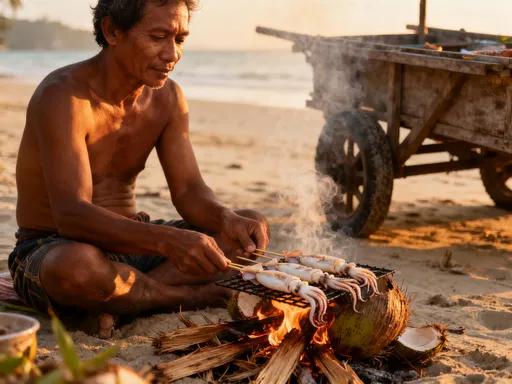
Equally emblematic of the city’s food identity is its fresh seafood, especially along the Iwahig River. Here, small eateries with bamboo tables and plastic stools offer grilled fish, prawns, and squid, all cooked over coconut husks. The use of coconut as fuel imparts a subtle sweetness to the char, enhancing the natural flavors of the catch. Many of these riverside grills source their seafood the same day, often from local fishermen who dock just meters away. This direct farm-to-table chain isn’t marketed—it’s simply how things have always been done. Diners can watch their fish being scaled and grilled, adding a layer of trust and transparency that’s increasingly rare in modern dining.
Hygiene and accessibility are well managed in Puerto Prinsesa, especially in established food zones like the Plaza Cuartel area and the weekend market near the city hall. Vendors follow basic health protocols, and many stalls proudly display food safety certifications. For travelers concerned about stomach sensitivity, the city’s mix of casual and semi-formal dining options provides a gentle transition into local cuisine. Starting the Palawan food journey here allows visitors to build confidence—learning to navigate flavors, portion sizes, and dining customs—before heading to more remote districts. In this way, Puerto Prinsesa isn’t just a stopover; it’s a culinary foundation.
San Vicente: Where Farm Meets Shore
Just a few hours north of Puerto Prinsesa lies San Vicente, a quiet district known for its 14-kilometer white sand beach and growing reputation as a sustainable travel destination. But beyond its scenic coastline, San Vicente is becoming a quiet leader in farm-to-table dining. Here, food isn’t imported—it’s grown, raised, and harvested within walking distance of the plate. The district’s agricultural roots run deep, with families cultivating coconuts, root crops, and free-range pigs for generations. This self-sufficiency shapes a cuisine that is humble, flavorful, and deeply connected to the land.
Coconut is the cornerstone of San Vicente’s food culture. Unlike commercial plantations, many families maintain small groves where coconuts are harvested daily. The meat is used in cooking, the milk pressed by hand, and the husks saved for fuel. Some eco-resorts and community canteens have begun hosting coconut workshops, where visitors can learn to extract milk, make oil, or even turn shells into charcoal. These experiences are not staged performances but everyday practices shared with pride. One such canteen, run by a local women’s cooperative, serves a rich coconut stew made with fresh turmeric and locally caught fish. The broth is fragrant, golden, and warming—a taste of home that feels both nourishing and sacred.
Pork, especially lechon kawali (crispy fried pork belly), is another staple, often prepared for family gatherings and community feasts. Unlike the large-scale roasts of urban festivals, San Vicente’s version is modest and personal—cooked in backyard pits using wood and coconut husks. The result is tender meat with a crackling skin, served with a dipping sauce made from vinegar, garlic, and chili. Travelers lucky enough to be invited to such a meal are treated not just to food, but to a moment of kinship. These gatherings are rarely advertised; they happen quietly, among neighbors, reinforcing the idea that food in Palawan is as much about relationship as it is about nutrition.
Sustainability isn’t a buzzword here—it’s a necessity. With limited road access and no large supermarkets, San Vicente relies on local production. This has given rise to a slow food movement that values seasonality, minimal waste, and community ownership. Some guesthouses grow their own vegetables, raise chickens, and collect rainwater for irrigation. Their kitchens operate on solar power or biogas, further reducing environmental impact. For the conscious traveler, dining in San Vicente is a lesson in resilience—a reminder that good food doesn’t require excess, only care and connection.
Dumaguete-to-Aborlan Route: The Road Less Eaten
Between the more developed hubs of Palawan lies a network of rural roads that few travelers consider worth stopping for. Yet, the journey from Dumaguete to Aborlan—though not a destination in itself—reveals some of the island’s most authentic food moments. Along this stretch, small roadside stalls and family-run sari-sari stores serve as lifelines for drivers, farmers, and delivery workers. These humble stops offer more than convenience; they preserve culinary traditions that might otherwise be overlooked in the rush to reach the coast.
One of the most common sights along this route is the fish skewer stand, where fresh-caught tuna or mackerel is marinated in soy sauce, garlic, and citrus, then grilled over open flames in a style reminiscent of kebabs. The fish is served on bamboo sticks, often wrapped in banana leaves to keep it warm. Travelers pull over, eat standing up, and continue their journey within minutes. These fleeting meals are not about presentation or luxury—they’re about sustenance, flavor, and the rhythm of daily life. The smoky aroma, the charred edges, the juicy center—it’s a perfect bite born of necessity and perfected by time.
Another hidden gem is the homemade tamale stall, a rare holdover from Spanish-influenced rural cooking. Unlike the Mexican tamale, Palawan’s version is made with ground rice, coconut milk, and a filling of shredded chicken or salted egg, all wrapped in banana leaf and steamed for hours. It’s dense, rich, and deeply satisfying—a portable meal designed for long days in the field. Vendors often sell only a few dozen per day, made fresh each morning. Finding one is a matter of timing and luck, but those who do are rewarded with a taste of history, wrapped in green.
Chilled buko juice, served in the coconut shell with a straw, is another road-side staple. Unlike the pre-packaged versions found in cities, this juice is cracked open moments before serving, ensuring maximum freshness. Some vendors add a pinch of salt or a splash of milk for depth. It’s a simple pleasure, but on a hot afternoon, it feels like a gift. These informal food economies thrive because they meet real needs. They are shaped by the movement of people, the availability of ingredients, and the generosity of those who cook. For the traveler willing to pause, the Dumaguete-to-Aborlan route offers a quiet but powerful reminder: some of the best meals happen not at restaurants, but on the road.
Coron Town: Heritage on a Plate
Coron, in the northern part of Palawan, is often celebrated for its wreck diving and jagged limestone islands. But beneath its adventure tourism surface lies a rich culinary heritage shaped by centuries of cultural exchange. The town’s food reflects a blend of indigenous Tagbanua traditions, Chinese trade influences, and Spanish colonial habits. This fusion isn’t forced or trendy—it’s lived, passed down through generations in home kitchens and public markets. Coron’s dishes tell stories of migration, adaptation, and resilience, all served on simple plates made of banana leaf or ceramic.
One of the most distinctive dishes is binakol, a chicken stew simmered in coconut water instead of plain water. The broth is clear but deeply flavorful, enriched with lemongrass, ginger, and young coconut meat. Unlike richer, coconut milk-based soups, binakol is light and refreshing—perfect for the island climate. It’s traditionally cooked in a hollowed-out coconut shell over charcoal, which adds a subtle smokiness. Families often prepare binakol during gatherings or when someone is unwell, believing in its restorative properties. In local markets, vendors sell ready-to-cook binakol kits, with all ingredients neatly packed in banana leaves, making it easy for visitors to recreate the dish at home.
Another specialty is lato, also known as sea grapes. These tiny, jewel-like algae grow in the shallow reefs around Coron and are harvested by local divers. When served fresh, lato has a crisp pop and a briny, oceanic taste. It’s typically dressed with vinegar, tomatoes, and onions, making a refreshing salad that pairs well with grilled fish. Some eco-tourism operators now offer lato harvesting tours, teaching visitors about sustainable seaweed farming and marine conservation. Eating lato isn’t just a culinary experience—it’s a way to support coastal communities and protect fragile ecosystems.
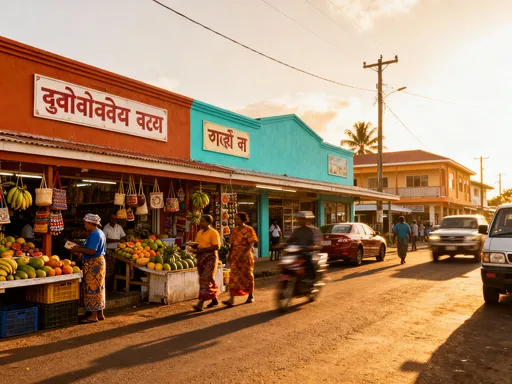
Coron’s public market is a treasure trove for food lovers. Stalls overflow with fresh produce, dried fish, tropical fruits, and handmade condiments. Family-run carinderias—small, home-style eateries—serve daily specials that change with the catch and the season. A plate might include grilled stingray, pickled papaya, and steamed rice, all for under ten dollars. These meals are not designed for Instagram; they’re made for feeding people. Yet, in their simplicity, they offer a deeper kind of beauty—one rooted in care, routine, and belonging. In Coron, every meal feels like an invitation to understand the island’s soul.
El Nido: Balancing Trend and Tradition
El Nido is perhaps the most famous destination in Palawan, drawing thousands of visitors each year with its postcard-perfect beaches and luxury resorts. With popularity, however, comes change—and in the food scene, the tension between tourism and tradition is palpable. Upscale beachfront restaurants serve fusion dishes with French-inspired plating, while neighborhood panaderias still bake ensaymada with local muscovado sugar and butter. The challenge is not to choose between old and new, but to find harmony—where innovation respects roots, and tradition remains accessible.
One of the most beloved local dishes in El Nido is inihaw na pusit—grilled squid marinated in soy sauce, garlic, and calamansi. It’s a staple at beachside grills, where vendors cook over open fires as the sun sets. The squid is tender, smoky, and tangy, often served with a side of vinegar dip. Unlike the frozen, pre-marinated versions found in cities, El Nido’s inihaw uses fresh squid, often caught the same day. These grills operate in the evening, drawing both tourists and locals, creating a rare space of shared experience. The simplicity of the meal—no table, no menu, just fire and flavor—reminds us that some of the best dining moments are unplanned.
At the same time, El Nido’s resorts have begun incorporating local ingredients into their menus. Coconut milk-based curries, native root crops, and wild honey appear in gourmet dishes, often labeled as “farm-to-table” or “hyper-local.” While some efforts feel performative, others are genuine partnerships with nearby communities. A few eco-resorts work directly with farmers to source vegetables and herbs, ensuring fair prices and sustainable practices. These collaborations benefit both guests and locals, proving that tourism, when done thoughtfully, can support cultural preservation rather than erode it.
Yet, over-tourism remains a concern. The influx of visitors has driven up prices, making some traditional eateries unaffordable for locals. Street food vendors face competition from branded kiosks, and some authentic recipes are being altered to suit foreign palates. In response, a growing number of residents and business owners are advocating for culinary conservation—protecting heirloom recipes, supporting small vendors, and educating travelers about local food etiquette. Initiatives like “Taste of El Nido” festivals and cooking workshops aim to celebrate Ilocano roots while embracing change. The goal is not to freeze the food culture in time, but to ensure it evolves with integrity.
Culinary Threads Across Districts: What Unites Palawan’s Food?
Despite regional differences, Palawan’s food shares a set of quiet but powerful unifying traits. These are not grand declarations, but subtle patterns that emerge when you eat your way across the island. First is the reliance on fresh seafood—whether it’s squid in El Nido, fish in San Vicente, or prawns in Puerto Prinsesa. The sea is not just a backdrop; it’s a provider. Fishermen still use traditional methods, and markets prioritize same-day catches. This immediacy means that seafood in Palawan is rarely overcooked or masked with heavy sauces. Instead, it’s grilled, steamed, or stewed with minimal seasoning, allowing its natural taste to shine.
Second is the use of coconut in all its forms—milk, oil, meat, and even husk. Coconut is not an ingredient; it’s a system. It fuels fires, flavors broths, and feeds livestock. In rural areas, nearly every part of the coconut is used, reflecting a deep respect for resources. This holistic approach extends to other ingredients as well. Banana leaves wrap food, bamboo tubes carry drinks, and earthenware pots retain heat. These choices are not marketed as “eco-friendly”—they’re simply the way things have always been done.
Third is the dominance of fire-based cooking. Grilling over open flames, whether on charcoal or coconut husks, is the most common method. This technique adds a smoky depth that cannot be replicated in modern kitchens. It also fosters community—people gather around grills, share stories, and eat together. Meals in Palawan are rarely solitary events; they are moments of connection. Even street food is often eaten in pairs or groups, reinforcing the cultural value of togetherness.
Finally, there is a shared philosophy of simplicity and respect. Palawan’s cuisine does not rely on complex techniques or imported spices. It honors the ingredient, the season, and the hand that prepared it. This is not primitive cooking—it is refined in its restraint. Each dish, whether a humble okoy (shrimp fritter) or a ceremonial lechon, carries intention. Together, these threads form a culinary identity that is resilient, grounded, and deeply human. They remind us that food is not just fuel, but a language of care, memory, and belonging.
How to Eat Like a Local: Practical Tips for Food-Curious Travelers
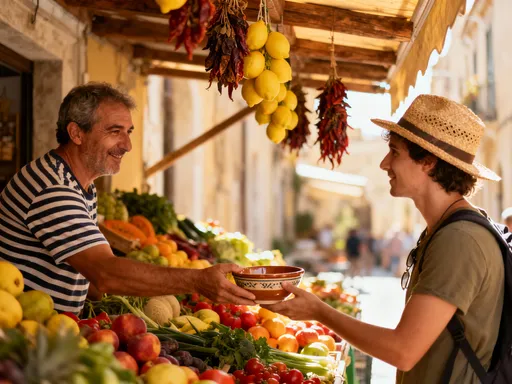
For travelers eager to experience Palawan’s food culture authentically, a few simple practices can make all the difference. First, visit public markets in the morning, when the freshest produce, seafood, and meats arrive. Puerto Prinsesa’s City Market, Coron’s Public Market, and El Nido’s roadside stalls are best explored between 7 and 9 a.m. This is when vendors are most active, and ingredients are at their peak. Bring a small bag, wear comfortable shoes, and be ready to engage—not just to buy, but to observe and learn.
When trying street food, look for stalls with high turnover and visible cooking processes. If a grill is busy and food is prepared to order, it’s usually safe. Avoid anything sitting out in the sun for hours. When in doubt, follow the locals—where they eat, you can eat. Many travelers worry about stomach sensitivity, but with basic precautions—drinking bottled water, avoiding ice in drinks, and washing hands—most can enjoy local food without issue. Probiotics and digestive aids can also help the body adjust.
Learning a few Tagalog phrases goes a long way. Simple words like *paano ito?* (how is this?), *masarap* (delicious), and *salamat* (thank you) show respect and open doors. Vendors often appreciate the effort, even if your pronunciation isn’t perfect. When taking photos, ask permission first—especially during meals. A smile and a quick nod can turn a transaction into a connection.
Support small vendors whenever possible. Buy from family-run canteens, women’s cooperatives, and roadside farmers. Your choices have impact. A meal at a local carinderia keeps a grandmother’s recipe alive; a purchase from a coconut vendor supports a family’s livelihood. These small acts sustain the culture you’ve come to experience. Finally, eat slowly. Let flavor guide you. Pause between bites. Notice the smoke, the salt, the sweetness. In Palawan, food is not a checklist—it’s a conversation. And the island is always ready to listen.