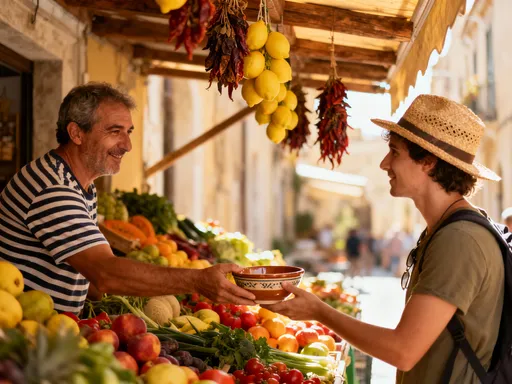
You Won’t Believe This Shopping in the Middle of Nature
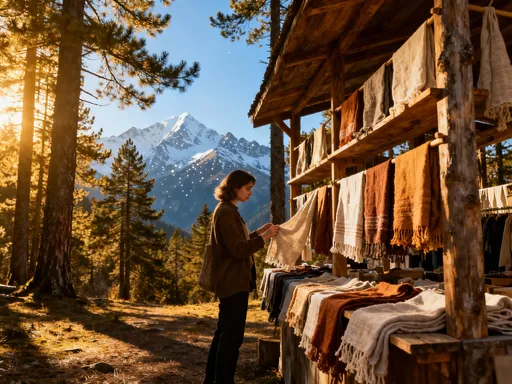
Sochi, Russia isn’t just about mountains and beaches—turns out, it’s a shopping paradise hidden in plain sight. I went looking for souvenirs and ended up discovering markets with handmade crafts, local flavors, and views that stole my breath. Picture browsing linen scarves while snow-capped peaks watch over you, or sipping herbal tea at a stall nestled in pine forests. Shopping here feels alive, tied to the land and its people. This is not your average mall run—it’s an experience where nature sets the scene and every purchase tells a story. In Sochi, commerce doesn’t compete with the environment; it complements it, creating a rhythm of trade that feels as natural as the tides and as enduring as the mountains.
Why Sochi? The Unexpected Blend of Nature and Commerce
Sochi’s geographical identity is unlike any other city in Europe. Nestled where the Black Sea meets the western edge of the Caucasus Mountains, it occupies a rare ecological and cultural crossroads. This convergence shapes every aspect of life here—including how people buy and sell. While most urban shopping experiences are sealed off from the outdoors, Sochi’s retail culture thrives precisely because of its openness. Markets emerge organically along hiking trails, near ski lifts, beside coastal boardwalks, and at the edges of forest clearings. The air carries the scent of pine, salt, and wild herbs, mingling with the aroma of roasting nuts and fresh bread from vendor stalls. It’s not uncommon to hear the distant echo of cowbells from mountain pastures while choosing a jar of wildflower honey.
What makes Sochi’s shopping so distinctive is how deeply it is rooted in place. The city enjoys a subtropical climate along the coast, allowing citrus, tea, and walnuts to flourish, while higher elevations support alpine flora used in traditional remedies and crafts. These microclimates aren’t just scenic—they directly influence what’s available in local markets. Farmers bring down mountain-grown strawberries in early summer; artisans from highland villages sell wool dyed with natural pigments from local plants. Even the architecture of the market stalls reflects the environment: low wooden kiosks with sloped roofs mimic the surrounding chalets, and many are built using reclaimed timber or sustainably harvested cedar.
Shopping here isn’t isolated from the journey—it’s part of it. A family heading up to Krasnaya Polyana for a day on the slopes might stop at a roadside stand for warm khachapuri, then browse hand-carved wooden spoons before continuing their ascent. A couple walking the Sochi Embankment might pause at a pop-up market near the Riviera Park, drawn by the sight of hand-embroidered tablecloths fluttering in the sea breeze. These moments aren’t staged for tourists; they’re woven into the rhythm of daily life. The integration of commerce and nature creates a sense of continuity—every purchase feels connected to the landscape and the people who live in harmony with it.
Markets with a View: Where to Shop and What You’ll See
Sochi’s most memorable shopping experiences happen in places where the scenery is as much a part of the attraction as the goods themselves. The city’s open-air markets are not afterthoughts tucked into parking lots—they are destinations in their own right, designed to highlight, not hide, the natural beauty around them. One of the most beloved is the Central Market, located just a short walk from the Black Sea coastline. With its vaulted ceilings made of glass and steel, the market allows sunlight to pour in, illuminating rows of fresh produce, jars of golden honey, and baskets of sun-dried tomatoes. Outside, vendors set up under striped awnings, their tables lined with handmade soaps, embroidered linens, and bottles of locally distilled herbal liqueurs.
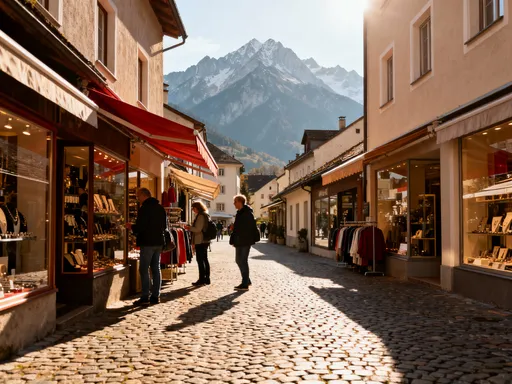
Just a short drive inland, the mountain resort of Krasnaya Polyana hosts seasonal markets that transform the base of the ski slopes into a vibrant bazaar. During winter, visitors can sip hot elderberry tea while browsing hand-knit wool hats and mittens made from Caucasian sheep’s wool. In summer, the same area becomes a green market, where farmers from nearby villages sell organic vegetables, homemade cheeses, and wild herbs like thyme and mint. The backdrop of snow-dusted peaks remains constant, offering a dramatic contrast to the colorful stalls below. Many of these mountain markets are accessible via the cable car from Estosadko, which provides panoramic views of the Mzymta River valley—a scenic prelude to the shopping experience.
Another standout is the seasonal Eco-Market held in the Matsesta Valley, known for its natural sulfur springs and dense forest cover. Held on weekends from May through October, this market emphasizes sustainability and local sourcing. Vendors are carefully selected based on their use of eco-friendly packaging and traditional production methods. Shoppers walk along wooden boardwalks shaded by tall pines, stopping at stalls that offer beeswax candles, herbal tinctures, and hand-thrown ceramics. The design of the market blends seamlessly with the environment: kiosks are built from untreated wood, and signage is carved into stone or painted on reclaimed planks. Even the layout encourages slow movement, with winding paths that invite exploration rather than haste. These markets don’t just sell goods—they create a sense of place, making shopping feel like a gentle immersion in Sochi’s natural and cultural fabric.
What to Buy: Local Crafts Rooted in Nature
When shopping in Sochi, the most meaningful souvenirs are those that carry the imprint of the land. Unlike mass-produced trinkets found in tourist zones elsewhere, the region’s crafts are born from centuries-old traditions and natural resources. One of the most cherished items is handwoven linen, often dyed with plant-based colors like madder root (for red), walnut shells (for brown), and chamomile (for soft gold). These textiles are used to make scarves, table runners, and napkins, each piece slightly unique due to the variability of natural dyes. Many of the weavers are older women from mountain villages who learned the craft from their mothers and grandmothers, preserving a heritage that might otherwise fade.
Woodcraft is another cornerstone of Sochi’s artisan economy. Juniper and cedar, abundant in the surrounding forests, are carved into small boxes, spoons, and decorative figurines. Juniper wood is especially valued not only for its rich grain but also for its natural antiseptic properties, making these items both beautiful and functional. Some artisans engrave their pieces with traditional Circassian motifs—geometric patterns that symbolize protection, prosperity, and connection to nature. These carvings are not merely decorative; they are a quiet form of storytelling, passing down cultural values through generations.
Equally compelling are the region’s botanical products. Herbalists in the mountains gather plants like St. John’s wort, elecampane, and mountain arnica to create teas, salves, and tinctures. These remedies are based on folk knowledge that has been refined over decades, if not centuries. Shoppers can find small cloth bags filled with dried mountain tea blends, often labeled with the name of the forager and the elevation where the herbs were collected. Organic soaps made with pine resin, goat’s milk, and local honey are also popular, their packaging wrapped in recycled paper stamped with botanical illustrations. Buying these items isn’t just about taking something home—it’s about supporting sustainable livelihoods and preserving ecological knowledge.
The Sensory Experience: How Nature Enhances Shopping
Shopping in Sochi is not just a visual or transactional experience—it engages all the senses in a way that transforms a simple errand into a memorable encounter. The moment you step into one of the open-air markets, you’re greeted by a symphony of natural stimuli. The air is cool and crisp in the mountains, carrying the faint tang of pine resin and the sweetness of blooming linden trees. On the coast, the breeze brings the salty freshness of the Black Sea, mingling with the warm scent of baking bread from nearby food stalls. These olfactory cues don’t just make the environment pleasant—they subtly influence mood, making shoppers more relaxed and present.
Sound plays an equally important role. Instead of the mechanical hum of air conditioning or piped-in music, the background noise in Sochi’s markets includes the rustle of leaves, the chirping of birds, and the occasional call of a shepherd guiding sheep down a hillside. At higher elevations, the wind moves through tall grasses with a soft whisper, creating a natural white noise that encourages mindfulness. Travelers often report feeling calmer in these settings, more willing to pause and examine a hand-stitched apron or sample a piece of honeycomb. This sensory richness slows down the pace of shopping, turning it into a contemplative act rather than a hurried task.
Touch is another vital element. Many of the goods sold in Sochi are made to be felt—the weight of a hand-carved wooden bowl, the softness of a woolen shawl, the smooth finish of a soap bar made with local ingredients. Vendors often encourage customers to handle items, knowing that tactile engagement builds connection. One study in environmental psychology suggests that physical contact with natural materials can reduce stress and increase feelings of well-being. In Sochi, this principle comes alive: when you hold a linen scarf woven from flax grown in the valley, you’re not just buying fabric—you’re connecting with the soil, the climate, and the hands that nurtured it. This multisensory immersion makes each purchase more meaningful, embedding it in memory far more deeply than a generic souvenir ever could.
Getting There: Transportation and Timing Tips
Reaching Sochi’s best shopping destinations requires a bit of planning, but the journey itself becomes part of the adventure. The city is well-connected by train, bus, and air, with Sochi International Airport serving as the main entry point. From the airport, visitors can take a taxi or shuttle to the city center, where the Central Market is within walking distance of most hotels. For those staying along the embankment, a leisurely morning stroll is the perfect way to begin a day of shopping.
Traveling to the mountain markets, such as those in Krasnaya Polyana, is easiest by train or car. The Sochi–Adler–Krasnaya Polyana railway line runs frequently and offers stunning views of the Mzymta River and forested slopes. The journey from Adler takes about 40 minutes, and the train station is steps away from the main ski resort complex, where seasonal markets are set up. During peak ski season (December to March), these markets are busiest in the late afternoon, when skiers come down the slopes. For a quieter experience, visiting on weekday mornings is recommended.
For the Eco-Market in Matsesta Valley, public buses run from central Sochi, but the ride is longer and less frequent. A more comfortable option is to rent a car or join a small-group tour that includes stops at multiple markets. Cycling is another excellent way to explore, especially in spring and autumn when temperatures are mild. Dedicated bike paths connect several coastal markets, and rental stations are available near Riviera Park. Regardless of transportation mode, timing is key. Early mornings offer the freshest produce and the softest light for photography. Late afternoons, particularly in summer, bring the golden hour glow that makes the mountains look like they’re on fire—a perfect backdrop for a final stroll through the stalls.
How to Shop Responsibly in a Fragile Ecosystem
Sochi’s natural beauty is one of its greatest assets, but it is also fragile. Increased tourism, while beneficial for local economies, can strain ecosystems if not managed thoughtfully. This is especially true in mountain and forested areas, where soil erosion, litter, and overharvesting are real concerns. Responsible shopping is not just a suggestion—it’s a necessity for preserving the very environment that makes these markets so special. Travelers can make a difference simply by being mindful of their choices.
One of the easiest ways to shop sustainably is to bring a reusable bag. Many vendors still use paper or thin plastic, but more eco-conscious ones appreciate customers who come prepared. Choosing products with minimal or biodegradable packaging also helps reduce waste. Look for items wrapped in cloth, paper, or beeswax—materials that won’t linger in the environment. When buying herbal products, check whether the plants were ethically foraged. Some vendors proudly display certificates or labels indicating sustainable harvesting practices, such as collecting only a portion of a plant population to allow regrowth.
Supporting local artisans directly—rather than buying from large souvenir shops that import goods—ensures that money stays within the community. It also reduces the carbon footprint associated with transportation and mass production. Several markets in Sochi participate in the Green Sochi Initiative, a local program that promotes eco-friendly vendors and provides recycling bins and compost stations. Travelers can look for the green leaf logo displayed at participating stalls. Additionally, staying on marked paths, avoiding protected areas, and refraining from picking wild plants contribute to long-term conservation. By making small, intentional choices, shoppers become stewards of the landscape, helping to ensure that future generations can enjoy the same breathtaking views and authentic experiences.
Final Thoughts: When Shopping Becomes a Journey
In a world where shopping is often rushed, digital, and disconnected from its origins, Sochi offers a refreshing alternative. Here, commerce is not separate from nature—it is woven into it. Every market visit becomes a journey of discovery, not just of products, but of place, people, and tradition. The linen scarf you buy was spun from flax grown in mountain soil; the honey you taste was gathered by bees that pollinated wildflowers along alpine trails. These connections matter. They transform a simple purchase into a story, a memory, a thread in the larger tapestry of travel.
Sochi’s model of nature-integrated shopping is more than just charming—it’s meaningful. It reminds us that consumption doesn’t have to be mindless. It can be slow, intentional, and rooted in respect for the environment and the communities that sustain it. For the 30- to 55-year-old woman who values authenticity, quality, and beauty, this kind of experience resonates deeply. It speaks to a desire for connection, for things that last, for moments that feel real. In Sochi, shopping isn’t a sidebar to the trip—it’s a central part of the journey itself.
As you plan your next adventure, consider destinations where the act of buying something small can carry great significance. Seek out places where the air is scented with pine, where the mountains watch over the market stalls, and where every handmade item carries the quiet dignity of tradition. Let your purchases reflect not just your taste, but your values. In doing so, you don’t just bring home souvenirs—you bring back stories, sensations, and a renewed sense of wonder. And isn’t that what travel is truly about?