You Won’t Believe What Pretoria’s City Streets Are Hiding
Pretoria, South Africa, is more than just a capital city — it’s a living canvas of urban energy, culture, and unexpected beauty. I never thought I’d say this, but walking its streets felt like discovering a secret world where history, art, and everyday life collide in the most stunning way. From vibrant street murals to buzzing public squares, the city’s urban spaces are going viral — and for good reason. This isn’t just about sightseeing; it’s about feeling the pulse of a city reinventing itself. Beneath its formal reputation as an administrative hub lies a dynamic, evolving soul — one that reveals itself to those who wander with open eyes and an open heart.
The Unexpected Pulse of Urban Pretoria
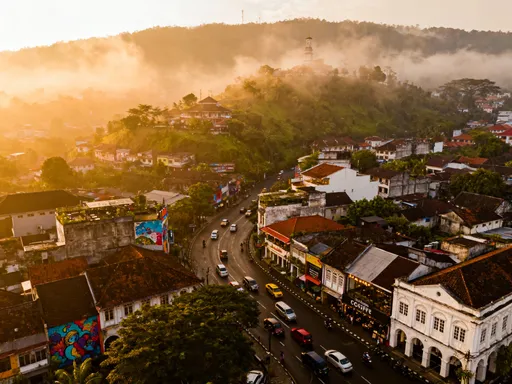
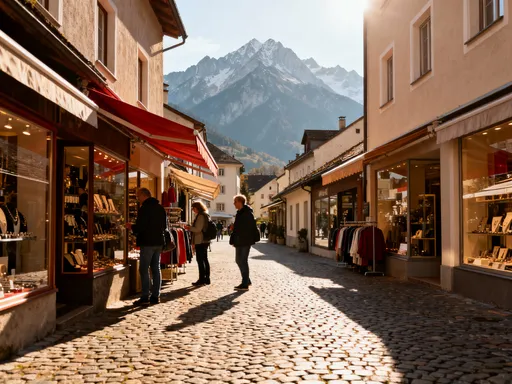
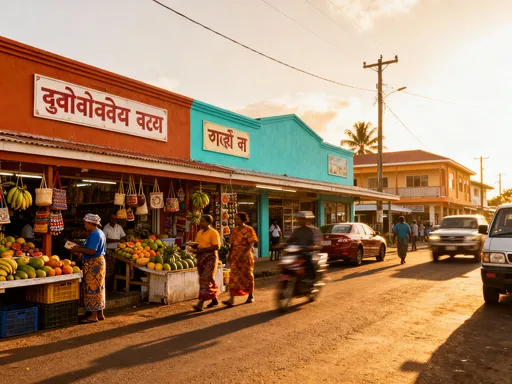
Pretoria has long been associated with government buildings, diplomatic missions, and a certain air of formality. Yet, step beyond the marble facades and wide boulevards, and you’ll find a city humming with a quieter, more personal rhythm. The central business district, once seen as reserved and rigid, is undergoing a transformation that feels both organic and intentional. Pedestrians now move with purpose and ease, drawn not just to offices but to cafés, pop-up markets, and open-air exhibitions. Sidewalks are no longer mere passageways but stages for informal interaction — a greeting between neighbors, a street vendor arranging fruit, a musician tuning a guitar before a noon performance.
This shift is not accidental. Over the past decade, Pretoria has invested in reimagining its public spaces as shared experiences rather than utilitarian zones. The city’s identity is no longer confined to its role as South Africa’s administrative capital; it is expanding to include the voices of artists, entrepreneurs, and everyday residents who shape its character. You can feel this evolution in the way light filters through newly planted trees onto revitalized sidewalks, or how public benches are positioned to encourage conversation rather than just seating. These subtle details signal a deeper commitment: Pretoria is learning to breathe again, inviting people back into its heart.
What makes this urban revival particularly compelling is its balance. The city does not erase its history — the grand Union Buildings still stand proudly atop Meintjieskop, a symbol of national governance — but it no longer lets that history overshadow the present. Instead, Pretoria embraces layers: colonial architecture beside contemporary murals, formal institutions next to grassroots initiatives. This coexistence creates a unique texture, one that rewards slow exploration. For the curious visitor, especially those who value authenticity over spectacle, Pretoria offers something rare: a capital city that feels lived-in, evolving, and genuinely welcoming.
Street Art That Speaks Volumes
If there’s one force visibly reshaping Pretoria’s urban landscape, it’s street art. Once limited to isolated tags or temporary graffiti, muralism in Pretoria has matured into a powerful medium of public storytelling. Neighborhoods like Muckleneuk, Sunnyside, and Brooklyn have become open-air galleries, where blank walls are transformed into vibrant testaments of identity, memory, and hope. These are not random splashes of color; they are deliberate, often community-commissioned works that reflect the concerns and celebrations of local life.
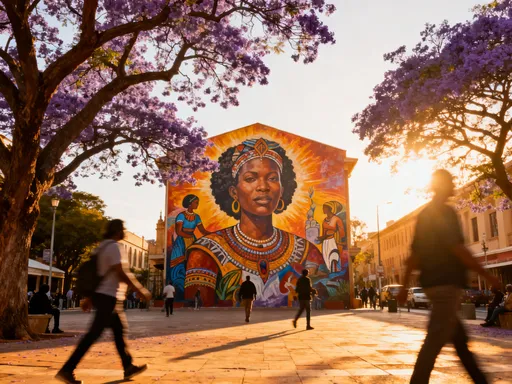
Take, for example, a large-scale mural in Sunnyside depicting a young girl holding a book in one hand and a paintbrush in the other, her eyes fixed forward with determination. Behind her, a mosaic of faces — young and old, of different backgrounds — fades into a skyline of Pretoria’s landmarks. This piece, created by a collective of local artists, speaks to education, creativity, and unity. It doesn’t preach; it invites reflection. Passersby often pause, some taking photos, others simply standing quietly, absorbing the message. In moments like these, art transcends decoration and becomes dialogue.
Other murals honor historical figures — activists, educators, cultural icons — embedding their legacies into the fabric of daily life. One striking example in Muckleneuk pays tribute to a pioneering female educator from the early 20th century, her image rendered in bold strokes of ochre and indigo. The wall is now a quiet landmark, often visited by school groups or residents who feel a personal connection to her story. These artworks do more than beautify; they reclaim space, turning neglected corners into sites of meaning and pride.
The rise of street art in Pretoria also reflects a broader cultural shift — one where public space is no longer seen as neutral or static, but as a platform for expression. Artists collaborate with city planners, community leaders, and property owners to ensure their work aligns with neighborhood values. The result is a growing network of visual narratives that celebrate diversity, resilience, and creativity. For visitors, this means every block holds the potential for discovery. You don’t need a museum ticket to witness powerful art; you just need to walk with attention.
Green Spaces in the Concrete Jungle
In a city defined by governance and structure, Pretoria’s green spaces offer a necessary counterbalance — places where nature softens the edges of urban life. These are not just decorative parks; they are vital lungs that provide clean air, shade, and sanctuary. Among them, the Union Buildings Gardens stand out as both a national treasure and a local retreat. Spread across sweeping terraces, these formal gardens blend symmetry and serenity, with perfectly aligned flowerbeds, fountains, and panoramic views of the city. Yet, they are far from solemn. On any given afternoon, families picnic on the lawns, students read under trees, and joggers weave along paved paths. The space feels both grand and intimate — a rare duality.
Equally important is Burgers Park, one of Pretoria’s oldest public parks, located just south of the city center. Unlike the formality of the Union Buildings, Burgers Park exudes a relaxed charm. Children laugh on playgrounds, couples stroll along tree-lined avenues, and elderly residents sit on benches, watching the world go by. The park is especially magical in spring, when jacaranda trees burst into bloom, painting the pathways in shades of purple and lavender. The scent of blossoms mingles with the sound of birdsong and distant chatter, creating a sensory experience that feels almost poetic.
What makes these green spaces so valuable is their accessibility. They are not gated or exclusive; they are open to all, regardless of background or income. This inclusivity reinforces Pretoria’s growing identity as a city that values shared experiences. Moreover, these parks serve as natural gathering points — places where spontaneous interactions occur, where a brief conversation between strangers can unfold under the shade of a tree. Urban planners increasingly recognize this role, integrating more greenery into new developments and restoring older spaces with community input.
For visitors, spending time in Pretoria’s parks is not a detour from the main attractions — it is central to understanding the city’s soul. These spaces reveal how Pretoria balances order with warmth, structure with spontaneity. They remind us that even in a capital city, life thrives not just in boardrooms and offices, but in the quiet moments between breaths — a child chasing bubbles, a musician playing guitar under a tree, a couple sharing a sandwich on a sunny bench.
Public Squares as Social Engines
Pretoria’s public squares are more than intersections or transit points; they are living rooms for the city. Church Square, at the heart of the central business district, is perhaps the most iconic. Surrounded by historic buildings, including the Old Capitol Theatre and the City Hall, the square has witnessed decades of change. Once a quiet, somewhat neglected space, it has been revitalized with new paving, lighting, and seating. Today, it buzzes with activity — office workers grabbing coffee, tourists consulting maps, street performers drawing small crowds. The design encourages停留, not just passage. Benches face each other, creating natural conversation zones, while shade structures protect visitors from the midday sun.
Another example is Hatfield Village Square, a more modern space that reflects the energy of a younger, more diverse population. Located near universities and tech hubs, this square hosts weekly farmers’ markets, live music events, and pop-up food stalls. It’s common to see students studying with laptops at outdoor tables, parents pushing strollers, and professionals meeting for informal lunches. The square’s layout — with flexible seating, open lawns, and integrated Wi-Fi — supports multiple uses throughout the day. It’s not just a place to be; it’s a place to do, to connect, to belong.
These plazas succeed because they are designed with people in mind. Urban designers have learned that successful public spaces are not just about aesthetics but about functionality and comfort. Things like accessible restrooms, clean walkways, and clear signage matter. So do less visible elements — the sound of water from a fountain, the texture of paving stones, the availability of shade. When these details are thoughtfully considered, public squares become magnets for social life. They foster a sense of ownership among residents, who begin to see these spaces as theirs, not just the city’s.
For visitors, spending time in Pretoria’s squares offers a front-row seat to urban life. You don’t need a guided tour to understand the city’s rhythm — just sit and observe. Watch how people move, interact, and claim space. Notice the small rituals: a vendor arranging pastries, a group of friends sharing a joke, a dancer practicing steps on the pavement. These moments, fleeting yet meaningful, reveal the true character of Pretoria — not in grand declarations, but in everyday gestures of connection.
How Urban Design Shapes Local Life
The way a city is built shapes how its people live, and Pretoria is making deliberate choices to support a more inclusive, accessible urban experience. One of the most significant developments in recent years is the A Re Yeng bus rapid transit (BRT) system, which connects key neighborhoods with reliable, efficient public transport. Unlike traditional bus services, A Re Yeng operates on dedicated lanes, reducing travel time and improving safety. The stations are modern, well-lit, and equipped with real-time arrival information, making commuting less stressful and more predictable.
But the impact goes beyond convenience. By improving access to jobs, education, and services, the BRT system helps bridge social and economic divides. Residents from historically underserved areas can now reach the city center with greater ease, opening up opportunities that were once logistically difficult. This kind of infrastructure is not just about moving people; it’s about empowering them. It signals a commitment to equity — the idea that a city should work for everyone, not just those who own cars.
Complementing the transit system are pedestrian-friendly upgrades across the city. Sidewalks are being widened, crosswalks enhanced with better visibility, and traffic calming measures introduced in residential zones. In areas like Hatfield and Menlyn, mixed-use developments are emerging — buildings that combine housing, retail, and offices in walkable clusters. This reduces reliance on cars and encourages a slower, more engaged way of moving through the city. People are more likely to stop at a café, chat with a neighbor, or browse a bookstore when their route is safe and pleasant.
These urban planning efforts reflect a growing understanding: cities are not just collections of buildings, but ecosystems of human interaction. When designed with care, they can foster health, happiness, and community. Pretoria’s approach — incremental, inclusive, and responsive — offers a model for other African cities navigating rapid urbanization. It proves that transformation doesn’t require demolition; sometimes, it just needs better sidewalks, safer crossings, and more benches.
Hidden Gems Off the Tourist Track
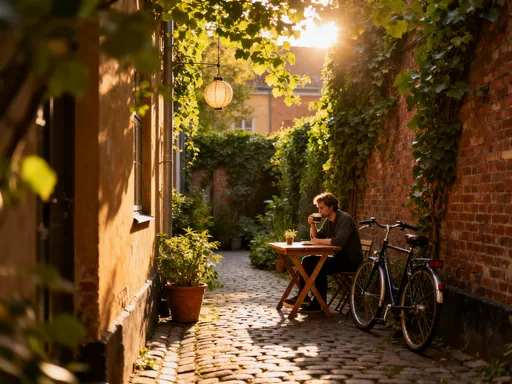
Beyond the well-known landmarks and bustling squares, Pretoria holds quieter treasures — places that reveal themselves only to those who wander without a strict itinerary. One such spot is a small courtyard café in Arcadia, tucked behind a row of heritage buildings. With ivy climbing the walls and mismatched furniture under a pergola, it feels like a secret garden. Locals come here for slow mornings with books, quiet conversations, or simply to enjoy a perfectly brewed coffee in peace. There’s no signage, no social media buzz — just word-of-mouth loyalty.
Another hidden gem is the Pretoria Central Library, a repurposed early 20th-century building that now houses a vibrant community space. The architecture blends classical columns with modern interiors, and the reading rooms are filled with natural light. What makes it special is not just the books, but the programs: storytelling sessions for children, art exhibitions by local schools, and discussion groups on literature and history. It’s a place where knowledge is shared, not stored.
Then there’s a tiny gallery in a converted warehouse in Capital Park, run by a collective of emerging artists. The space is unassuming from the outside, but inside, the walls pulse with color and emotion. Paintings, sculptures, and mixed-media works explore themes of identity, memory, and transformation. Visitors are greeted not by a receptionist, but by the artist themselves, eager to discuss their work. These intimate encounters — rare in larger institutions — make the experience deeply personal.
What unites these places is authenticity. They are not designed for Instagram fame or tourist quotas; they exist because they serve a need, express a passion, or reflect a community’s spirit. For visitors willing to slow down, they offer a richer, more nuanced understanding of Pretoria. They remind us that the heart of a city is not always in its monuments, but in its hidden corners — the places where life unfolds quietly, beautifully, and without performance.
Why Pretoria’s Urban Future Matters
Pretoria’s transformation is about more than aesthetics or convenience; it’s about vision. As cities across Africa grow at unprecedented rates, Pretoria offers a compelling example of how urban development can prioritize people over vehicles, inclusion over exclusivity, and culture over commerce. Its journey — from a formal administrative center to a dynamic, lived-in city — reflects a broader shift in how we think about urban life. It’s no longer enough for a city to function; it must also inspire, connect, and sustain.
The integration of art, nature, and thoughtful design into Pretoria’s streets shows that urban renewal doesn’t require grand demolitions or foreign models. Often, it begins with small acts: painting a wall, planting a tree, adding a bench. These gestures accumulate into a new kind of city — one that feels alive, responsive, and deeply human. They also reinforce a crucial truth: that public spaces are not empty zones to be passed through, but shared domains where community is built, identity is expressed, and democracy is practiced in everyday ways.
For visitors, especially those in the 30–55 age group who value meaningful travel, Pretoria offers a refreshing alternative to checklist tourism. It invites you to walk slowly, look closely, and engage genuinely. You don’t need to rush from monument to museum; you can simply sit in a park, chat with a local, or follow a mural down an unexpected alley. In doing so, you don’t just see the city — you feel it.
As Pretoria continues to evolve, its story serves as both inspiration and invitation. It reminds us that cities are not static entities, but living, breathing organisms shaped by choices, care, and collective will. And for those ready to explore with curiosity and respect, Pretoria whispers a simple message: look closer. The most beautiful things are often hidden in plain sight.