You Won’t Believe What Shopping in Vaduz Feels Like
Shopping in Vaduz isn’t about luxury malls or endless boutiques—it’s a quiet, unexpected delight. Wandering its sunlit streets, I stumbled upon family-run shops with handcrafted treasures and local art that told stories. The views of the Alps framed every purchase, turning simple strolls into sensory experiences. This tiny capital redefines retail with charm, authenticity, and breathtaking backdrops you never saw coming. More than a shopping trip, it’s a journey into the heart of a nation that values slowness, craftsmanship, and connection. In a world where retail often feels impersonal, Vaduz offers a rare alternative: shopping as a form of cultural immersion, where every interaction carries weight and every detail reflects care.
The Unexpected Allure of Vaduz as a Shopping Destination
Vaduz, the capital of Liechtenstein, defies conventional expectations of what a shopping destination should be. With a population of fewer than 6,000 and a land area so small it could fit within many major city parks, it’s easy to overlook this alpine gem. Yet, its compact size is precisely what makes it remarkable. Unlike sprawling metropolises where shopping districts stretch for miles, Vaduz offers a concentrated experience—one where every step feels intentional, and every store is within comfortable walking distance. There are no neon-lit megamalls, no crowded department stores, and certainly no chain outlets dominating the streetscape. Instead, the town unfolds gently along a single main street, Städtle, where shopping blends seamlessly with sightseeing, culture, and nature.
The absence of commercial overload is not a limitation but a strength. In Vaduz, shopping is not about consumption for consumption’s sake. It’s an experience shaped by silence, space, and the constant presence of the surrounding Alps. The air is crisp, the streets are clean, and the pace is unhurried. Visitors quickly notice how the rhythm of daily life here resists the urgency of modern retail. Shop windows are uncluttered, displays are thoughtful, and signage is understated. There’s a sense of dignity in how goods are presented—each item treated as if it has a story to tell. This quiet dignity extends to the people as well. Shopkeepers greet customers with warmth, not pressure, and conversations often unfold naturally, as if you’ve stepped into a neighbor’s home rather than a commercial establishment.
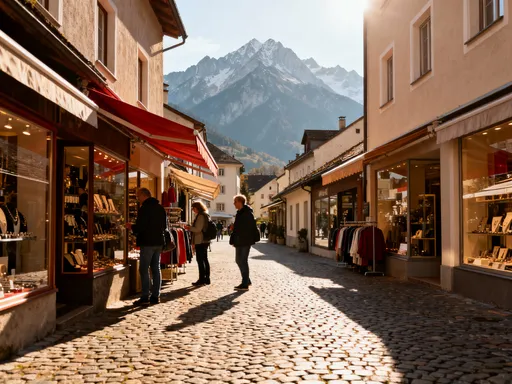
First impressions matter, and Vaduz delivers them with subtlety. The town rises gently from the Rhine Valley, backed by forested slopes and snow-capped peaks that seem to watch over it. As you walk, the sunlight dances off stone facades and glass shopfronts, casting soft reflections on cobbled sidewalks. The architecture is modest but elegant—low-rise buildings with tiled roofs, wooden shutters, and flower boxes bursting with color in the warmer months. There are no grand plazas or monumental statues, yet the sense of place is powerful. Every detail contributes to a feeling of harmony, as if the town has grown naturally from the landscape rather than been imposed upon it. This atmosphere sets the tone for shopping: not as a transaction, but as a quiet celebration of local life.
Where Scenery Meets Storefronts: The Unique Viewing Experience
In Vaduz, shopping is never separated from the landscape. The town’s layout ensures that nearly every retail moment comes with a view. Whether you’re browsing books in a small bookstore, sipping coffee at a sidewalk table, or examining a hand-painted ceramic plate in a gallery window, the Alps are always present—framing the scene like a living painting. This integration of nature and commerce is not accidental. Shopfronts are designed to maximize natural light and visibility, with large glass windows that invite the outside in. Many stores are positioned along gentle slopes or open squares, allowing for unobstructed sightlines toward the mountains. The result is a shopping experience that feels expansive, even in a town of such modest size.
One of the most memorable moments for visitors is pausing at a café near the Post Museum, a compact cultural hub dedicated to Liechtenstein’s postal history. Here, you can sit with a warm drink and watch the light shift across the peaks while flipping through a locally published art book or sampling a piece of dark chocolate from a nearby confectioner. The combination is intoxicating—not because of extravagance, but because of balance. There’s no need to choose between sightseeing and shopping; they happen simultaneously. Even mundane acts, like checking your map or adjusting your scarf, become more vivid when the backdrop is a panorama of alpine grandeur. The natural light, especially in the late morning and early afternoon, enhances the colors of products on display, making fabrics appear richer, ceramics more luminous, and artwork more dynamic.
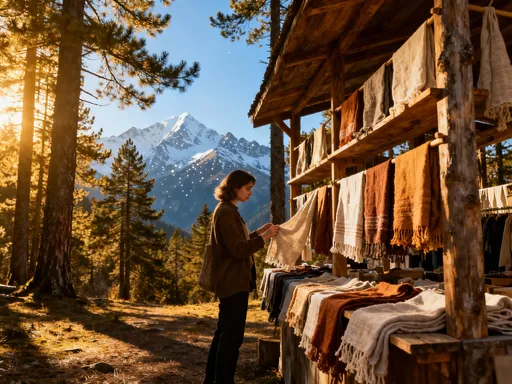
Window shopping in Vaduz feels like a meditative practice. Without the sensory overload of flashing signs or loud music, your attention turns inward and outward at once. You begin to notice details: the texture of a handwoven scarf, the brushstrokes on a small oil painting, the precision of a watchmaker’s engraving. These observations are not rushed. The open spaces between shops encourage pauses—places to stand, breathe, and simply take it in. There are no crowds to push you forward, no time pressure to make a decision. Instead, you’re invited to linger, to let the environment shape your choices. This immersive quality transforms shopping from a chore into a form of mindfulness, where the act of looking becomes as valuable as the act of buying.
Local Craftsmanship on Display: What You’ll Actually Find
What sets Vaduz apart is not just how you shop, but what you can buy. The goods available reflect a deep commitment to local craftsmanship and national identity. Unlike tourist towns that stock mass-produced souvenirs, Vaduz prioritizes authenticity. You won’t find plastic trinkets or generic T-shirts here. Instead, the shelves are filled with items made with care, often by artisans who live and work in the region. Artisanal chocolates, for example, are a specialty—rich, single-origin creations made with Swiss precision and Liechtenstein pride. Many confectioners use locally sourced honey or alpine herbs, giving their products a distinct flavor profile that can’t be replicated elsewhere.
Liechtenstein wines are another highlight. Though the country is tiny, its vineyards produce high-quality reds and whites, particularly Pinot Noir and Riesling, grown on sun-drenched slopes along the Rhine. Small wine shops in Vaduz offer tastings and bottle sales, often with handwritten labels and family-run branding. These wines are not widely exported, making them a rare find for collectors and enthusiasts. Purchasing a bottle feels like gaining access to a well-kept secret—one shared proudly by locals who appreciate the terroir and tradition behind each vintage.
Handmade ceramics, textiles, and jewelry also feature prominently. Many pieces incorporate traditional Alpine motifs—edelweiss flowers, mountain goats, or folk patterns passed down through generations. Some artists experiment with modern interpretations, blending old techniques with contemporary design. Philatelic items, a nod to Liechtenstein’s world-renowned postage stamps, are especially popular among collectors. The national postal service continues to produce limited-edition stamps featuring art, history, and nature, many of which are sold in specialty shops alongside framed prints and archival materials. These items are more than souvenirs; they are tangible expressions of cultural pride, produced in small batches and sold with personal attention.
The absence of global retail brands is striking but welcome. There are no fast-fashion outlets, no international coffee chains, no standardized franchises. Instead, each shop curates its inventory with intention. Bookstores carry titles on Alpine history, regional literature, and European art. Gift shops focus on eco-friendly products, sustainable materials, and locally designed goods. Design studios showcase furniture, lighting, and home accessories created by Liechtenstein-based artists. This emphasis on curation means that every purchase feels meaningful. You’re not just buying an object—you’re supporting a maker, preserving a tradition, and taking home a piece of a place that values quality over quantity.
Walking the Main Strip: A Slow Retail Journey
The heart of Vaduz’s shopping experience lies along Städtle, the town’s central pedestrian corridor. This gently sloping street connects the train station to the Prince’s Castle (visible from afar but not open to the public) and serves as the primary artery for visitors exploring on foot. Entirely walkable and free of vehicle traffic, Städtle is designed for strolling. Benches line the sidewalks, flower beds add seasonal color, and public art installations—often sculptures by Swiss or Liechtenstein artists—break up the visual rhythm in subtle, pleasing ways. The route is intuitive, with clear signage and minimal distractions, allowing you to focus on the shops and scenery without feeling overwhelmed.
Along this stretch, you’ll encounter a mix of shop types, each contributing to the town’s unique retail character. Independent bookstores offer multilingual selections, with a strong emphasis on European literature and illustrated art volumes. Small gift shops specialize in eco-conscious souvenirs—reusable tote bags printed with alpine scenes, wooden toys made from sustainably harvested timber, and handmade soaps infused with mountain herbs. Design studios present contemporary craftsmanship, from hand-blown glassware to minimalist leather goods, often created in collaboration with local artisans. Even the grocery stores, though modest in size, stock regional specialties: organic dairy products, alpine cheeses, and preserves made from wild berries foraged in nearby forests.
What makes the journey memorable is not just the variety of goods, but the rhythm of discovery. Because the street is short—less than half a mile from end to end—there’s no pressure to rush. You can walk it slowly, doubling back to revisit a shop that caught your eye, or pause at a bench to admire the view. Every few steps offers a new photo opportunity: a flower-filled window box against a stone wall, a cat napping in a sunlit doorway, or the distant silhouette of the castle perched on the hillside. These moments accumulate, creating a sense of intimacy that larger cities struggle to replicate. The lack of crowds enhances this feeling, allowing you to move at your own pace and engage deeply with your surroundings.
For families or older travelers, the pedestrian-friendly layout is a significant advantage. There are no steep climbs or hazardous crossings—just a gentle incline and smooth paving. Public restrooms, drinking fountains, and shaded seating areas are thoughtfully placed, making the experience accessible to a wide range of visitors. Parents with strollers, travelers with mobility aids, and those simply seeking a relaxed outing will appreciate the town’s inclusive design. This attention to comfort and accessibility reinforces Vaduz’s reputation as a destination that welcomes everyone, not just the adventurous or the young.
More Than Just Buying: The Emotional Payoff of Mindful Shopping
Shopping in Vaduz transcends the act of purchase. It becomes an emotional experience—one shaped by human connection, sensory richness, and a deep sense of place. In a world where retail is often transactional, Vaduz offers something different: a space where time slows, attention deepens, and interactions feel genuine. You might find yourself chatting with a shop owner about the history of a particular craft, or accepting a sample of homemade jam from a vendor who remembers your name from earlier in the day. These small moments build a sense of belonging, even for a visitor passing through.
One of the most touching details is the personal touch in service. Receipts are often handwritten. Purchases are wrapped in tissue paper with a sprig of dried edelweiss tucked inside. Shopkeepers take the time to explain the origin of a product, sometimes showing photos of the artisan or the vineyard where the wine was made. This level of care transforms a simple exchange into a meaningful encounter. It’s not about upselling or efficiency—it’s about sharing pride in local work and creating a memory that lasts beyond the trip.
This mindful approach reflects a broader shift in travel preferences. More travelers, especially those in the 30–55 age range, are seeking authenticity over spectacle. They want experiences that feel real, connections that feel sincere, and souvenirs that carry stories. Vaduz delivers on all three. It doesn’t dazzle with extravagance, but it resonates with sincerity. The absence of crowds, the presence of nature, and the emphasis on craftsmanship create a powerful contrast to the hectic, commercialized tourism found in many European capitals. Here, shopping isn’t about filling a bag—it’s about enriching a journey.
Timing, Accessibility, and Practical Tips for Visitors
To make the most of your shopping experience in Vaduz, timing and preparation matter. Most shops are open Monday through Saturday, typically from 9:00 a.m. to 6:00 p.m., with some closing for a midday break between 12:00 and 1:30 p.m. Sundays are generally quiet—many stores remain closed, and the town takes on a more residential, peaceful atmosphere. For optimal shopping, aim to arrive on a weekday morning when the streets are least crowded and the light is ideal for photography. Late spring through early autumn offers the most pleasant weather, with blooming flowers and clear mountain views, though winter brings its own charm, especially during the holiday season when festive decorations line the streets.
Accessibility is excellent. Vaduz is easily reached by train from Switzerland, with the closest station—Schaan-Vaduz—located just a ten-minute walk from the town center. The route is flat and well-marked, with shelters and signage in multiple languages. For those with mobility concerns, the entire shopping district is wheelchair accessible, with smooth pathways, ramps, and accessible restrooms. Public transportation within Liechtenstein is reliable and clean, and taxis are available upon request. While the country is landlocked and small, its proximity to Austria and Switzerland makes it a feasible day trip or stopover for those touring the region.
Currency is the Swiss franc (CHF), which is used throughout Liechtenstein. Credit cards are widely accepted, but it’s wise to carry some cash for smaller vendors or markets. German is the official language, but English is commonly spoken in tourist-facing businesses, and many signs include English translations. VAT refunds are available for non-EU residents on qualifying purchases, and most shops participate in tax-free shopping programs—simply ask for the necessary documentation at checkout.
For families or groups, consider combining shopping with a visit to the Kunstmuseum Liechtenstein, a striking black granite cube that houses contemporary art exhibitions, or the Liechtenstein National Museum, which explores the country’s history and culture. Both are within walking distance of Städtle and offer indoor spaces to explore if the weather turns. A short hike up to the castle grounds (open to the public on certain days) provides panoramic views and a deeper appreciation for the town’s setting. These activities complement the shopping experience, turning a simple retail outing into a full day of cultural engagement.
Why This Tiny Capital Redefines Retail Travel
Vaduz may be small, but its influence on the future of retail travel is significant. In an era where overtourism plagues many destinations and shopping districts feel increasingly homogenized, Vaduz stands as a quiet pioneer. It proves that retail can be meaningful without being grand, impactful without being loud. Its model—rooted in local production, environmental harmony, and human connection—offers a blueprint for sustainable tourism. Visitors don’t leave with bulging bags, but with a sense of fulfillment, as if they’ve participated in something authentic and enduring.
Contrast this with crowded capitals where shopping feels rushed and impersonal. In cities like Paris, Milan, or New York, retail is often a high-pressure affair—crowded sidewalks, aggressive marketing, and prices that reflect spectacle over substance. Vaduz offers the opposite: a space where you can breathe, reflect, and choose with intention. It appeals to travelers who value quality interactions over quantity of purchases, who seek depth rather than dazzle. This shift aligns with growing global trends toward mindful consumption, eco-conscious travel, and cultural preservation.
Ultimately, Vaduz redefines what it means to shop while traveling. It’s not about acquiring things, but about gathering moments. A conversation with a chocolatier. A view of the Alps from a quiet bench. A handmade bowl that will sit on your kitchen shelf for years, reminding you of a place where beauty and simplicity coexist. In this tiny capital, every purchase comes with a view—and a memory. It’s a reminder that the most valuable souvenirs aren’t always the ones you can hold, but the ones you carry in your heart. For the thoughtful traveler, Vaduz isn’t just a stop on the map. It’s a revelation.