You Gotta See Bamako From These Spots — Mind-Blowing Views Await
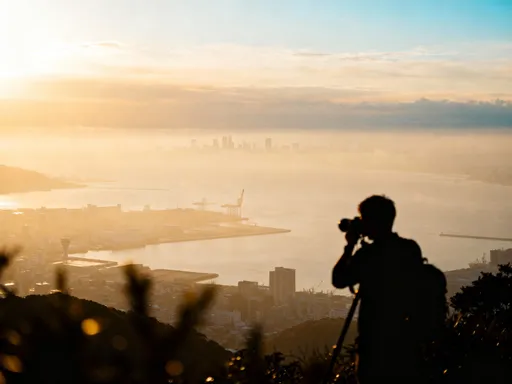
Bamako isn’t just Mali’s bustling capital — it’s a city of hidden heights and stunning perspectives waiting to be discovered. I hit the streets and climbed the overlooks to find the best viewpoints that locals love and travelers often miss. From sunrise over the Niger River to panoramic cityscapes glowing at golden hour, Bamako reveals its soul from above. These vantage points don’t just offer great photos — they tell stories of culture, geography, and quiet moments in a vibrant urban landscape. Each viewpoint is a window into the rhythm of daily life, where the hum of motorbikes blends with the call to prayer, and the golden light of evening softens the edges of a city alive with movement and meaning.
The Niger River at Dawn – Nature’s First Light Over the City
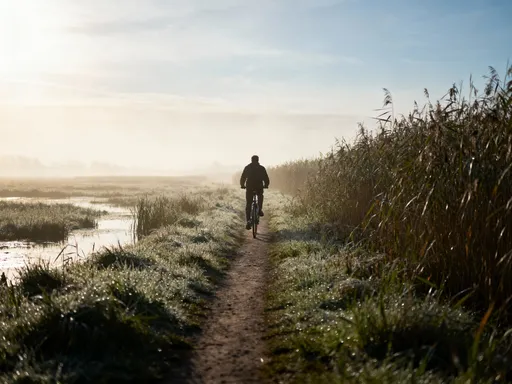
One of the most serene experiences in Bamako begins before the city fully wakes — along the banks of the Niger River as dawn breaks. This mighty waterway, which flows through the heart of West Africa, curves gently around Bamako, offering a natural boundary and a reflective mirror for the sky. At sunrise, the air is cool and still, carrying the faint scent of damp earth and charcoal from early cooking fires. Mist rises in wisps from the surface of the river, dissolving as the sun climbs, revealing wooden pirogues gliding silently through the water. Fishermen cast nets with practiced ease, their silhouettes sharp against the glowing horizon.
Several accessible points along the river provide front-row seats to this daily spectacle. Near the Avenue Moussa Tavele, locals gather on low stone embankments to sip sweet tea and watch the light change. These spots are not marked as tourist attractions, which adds to their authenticity. There are no entry fees, no crowds, just the quiet communion of people and place. The best time to visit is between 5:30 and 6:30 a.m., especially during the dry season from November to March, when the skies are clearest and the humidity lower. This is when the colors are most vivid — soft pinks melting into gold, reflected perfectly in the calm water.
What makes this view truly special is not just its beauty, but what it represents: the lifeblood of the city. The Niger sustains agriculture, transportation, and daily rituals. Watching it at dawn offers a moment of stillness before the day’s energy takes over. It’s a reminder that even in an urban setting, nature sets the pace. For visitors, this experience grounds the journey — a peaceful start that aligns the spirit with the rhythm of Bamako. Bring a light jacket, a camera, and a willingness to move slowly. Let the river’s quiet flow guide your morning.
Mont N’Golonina – Bamako’s Natural High Point
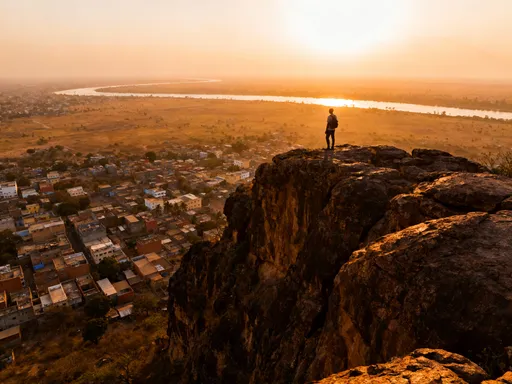
Rising above the eastern edge of the city, Mont N’Golonina is one of Bamako’s most iconic natural landmarks. This granite hill offers one of the few elevated vantage points within the urban core, and reaching its summit rewards climbers with a sweeping 360-degree panorama. From the top, the city stretches in every direction — a patchwork of red-tiled roofs, dusty roads, and clusters of trees breaking through the urban fabric. To the west, the Niger River glints in the sunlight; to the east, the landscape opens into savanna, where dry grasslands meet distant hills.
The hike up Mont N’Golonina is moderately challenging but accessible to most travelers with a reasonable level of fitness. The trail begins near residential neighborhoods, winding through rocky paths and patches of scrub vegetation. Some sections are well-trodden, while others require careful footing, especially after rain. Local guides are occasionally available at the base, often young men familiar with the terrain who can enhance the experience with stories about the hill’s significance in local folklore. While not a formal requirement, hiring a guide supports the community and ensures a safer, more informed ascent.
Visitors should plan to arrive early in the morning or late afternoon to avoid the midday heat, which can be intense, particularly from April to June. The climb takes approximately 45 minutes to an hour, depending on pace. Along the way, hikers pass small shrines and resting spots where locals come to meditate or escape the city’s noise. At the summit, a simple stone marker indicates the peak, but the real reward is the view. This is where the scale of Bamako becomes truly apparent — a city of over two million people, expanding steadily, yet still framed by nature.
Safety is a consideration, especially for solo travelers. It’s advisable to go with a companion or as part of a small group. While crime is rare on the trail, awareness of surroundings is important. Wearing sturdy shoes, carrying water, and applying sunscreen are essential. The experience is not just about the destination — it’s about the journey upward, the sense of effort, and the growing awareness of how the city fits into its environment. Mont N’Golonina offers not just a view, but a perspective — one that connects urban life with the land it rests upon.
Crocodile Park Overlook – A Wild Twist on City Views
Nestled in the southern part of Bamako, the Crocodile Park is best known for its resident reptiles basking in a natural pond. But beyond the main attraction, the surrounding terrain offers an unexpected bonus: elevated viewpoints that look out over lush greenery and the city’s southern neighborhoods. As the land slopes gently downward near the park’s edges, visitors walking along the perimeter paths are treated to quiet vistas where treetops meet rooftops, and the sounds of birds blend with distant city hum.
These overlooks are not officially marked, making them a subtle delight for observant travelers. From certain angles, the view includes the park’s pond, where crocodiles lie motionless in the sun, contrasted against the backdrop of distant apartment buildings and satellite dishes. It’s a striking juxtaposition — wild and urban, ancient and modern — all visible in a single frame. The area is shaded by acacia and baobab trees, providing cool refuge and framing the scenery with natural elegance.
The Crocodile Park is a family-friendly destination, open during daylight hours with a modest entrance fee. While the main draw remains the crocodiles, many visitors overlook the scenic potential of the surrounding walkways. Those who take time to explore the edges of the park are rewarded with peaceful moments and photo opportunities that capture Bamako’s layered identity. It’s possible to combine a visit here with a stop at the nearby artisan village, where craftspeople demonstrate traditional techniques in weaving, pottery, and wood carving.
This spot is ideal for travelers seeking a quieter experience, away from the bustle of markets and main roads. The air feels fresher, the pace slower. Parents appreciate the educational aspect for children, who can learn about local wildlife while enjoying a gentle outdoor walk. The overlooks here don’t require climbing or special gear — just curiosity and a willingness to look beyond the obvious. In a city where every viewpoint tells a story, this one speaks of coexistence — between nature and city, tradition and progress, stillness and motion.
Hotel Terraces – Elevated Comfort with Skyline Vistas
For travelers who prefer to take in the city from a place of comfort, Bamako’s hotel terraces offer a refined alternative to hiking and climbing. Several accommodations in the city feature rooftop areas where guests — and sometimes visitors — can relax with a drink while watching the city transition from day to night. These spaces blend hospitality with sightseeing, providing curated views without the physical effort of a trek.
One of the most enjoyable experiences is sitting on a terrace at dusk, as the sun dips below the horizon and the first lights of the city begin to flicker on. The air cools, and a gentle breeze carries the scent of grilled meat and jasmine. Waiters move quietly between tables, offering mint tea, local beer, or freshly squeezed mango juice. The ambiance is calm, sophisticated, and welcoming — a place to reflect on the day’s adventures or plan the next.
The views from these terraces vary by location. Some face west, offering a direct line of sight to the sunset over the river. Others look inward, capturing the glow of neighborhoods like Hippodrome or Quartier du Fleuve, where street vendors pack up their stalls and families gather on balconies. From this height, the city’s layout becomes easier to understand — major roads form arteries, markets pulse with late-day energy, and minibus taxis weave through traffic like moving constellations.
While specific hotel names may vary in availability and access, the experience itself is consistent: elevated relaxation with a sense of connection to the city below. Some terraces host live music on weekends, adding a cultural layer to the evening. Others remain quiet, ideal for reading or conversation. These spaces are particularly appreciated by older travelers or those with limited mobility, offering a way to enjoy Bamako’s beauty without strain. They also provide a safe, well-lit environment for solo visitors. Whether staying overnight or invited as a guest, a few hours on a hotel terrace can be one of the most memorable parts of a trip — a moment of pause in a city that rarely slows down.
Artisan Markets and Hillside Streets – Urban Exploration with Rewards
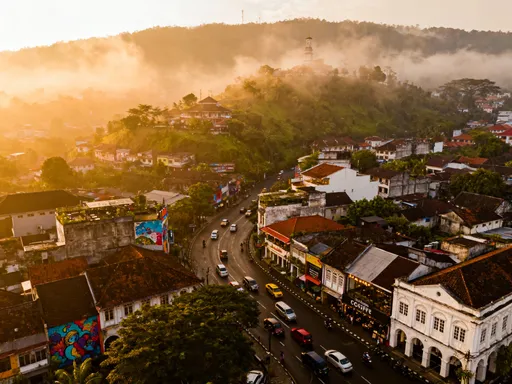
Bamako’s charm isn’t confined to designated viewpoints — it reveals itself unexpectedly in the act of walking. Neighborhoods like Badalabougou, ACI-2000, and Sotuba are built on gentle slopes, and as visitors climb uphill through narrow streets and bustling markets, they are often rewarded with sudden, unmarked lookouts. These moments are unplanned but powerful — a turn in the road opens to a sweeping view of the city, framed by laundry lines and rooftop water tanks.
In these areas, the journey is the destination. Markets overflow with color — bolts of wax-print fabric, hand-beaded sandals, woven baskets, and pyramids of fresh fruit. Vendors call out prices in Bambara and French, children dart between stalls, and the smell of grilled fish and spices fills the air. As the terrain rises, the noise fades slightly, replaced by the rhythm of footsteps and distant music. It’s in these transitions that the city’s layers become visible — economic, social, and geographic.
Walking through hillside neighborhoods offers more than just physical elevation — it provides cultural insight. Residents wave from doorways, shopkeepers offer directions, and the architecture tells a story of adaptation and growth. Houses are built close together, often with corrugated metal roofs and painted shutters. Rooftops serve as gathering spaces, where families eat, rest, and watch the day end. From certain streets, it’s possible to see multiple neighborhoods at once, each with its own character and pace.
This form of exploration requires no admission fee, no guidebook, just curiosity and respect. Travelers are encouraged to move slowly, smile, and ask permission before photographing people. The rewards are not just visual, but emotional — a sense of connection, of being present in a living, breathing city. These spontaneous viewpoints remind us that beauty often lies off the beaten path, in the everyday moments that make Bamako uniquely itself.
Sunset from the Friendship Bridge – Where City Lights Begin to Sparkle
Spanning the Niger River, the Friendship Bridge is more than a vital transportation link — it’s a prime location for one of Bamako’s most dynamic views. As the sun sets, the bridge becomes a stage for the city’s transition from day to night. Pedestrians, motorbikes, and cars move steadily across, their headlights joining the river’s reflection in a dance of light. The air hums with energy, yet there’s a quiet beauty in watching the city shift gears.
Walking across the bridge at dusk offers a unique perspective — elevated above the water, surrounded by movement, yet suspended between two shores. To the north, the older parts of the city glow with warm yellow lights; to the south, modern buildings rise with cooler, bluer tones. The river below captures the sky’s changing colors, turning from orange to deep purple, then to black, dotted with the reflections of passing vehicles. It’s a moment of stillness amid motion, a chance to pause and absorb the city’s pulse.
Photographers will find rich material here, but respectful etiquette is important. Avoid obstructing traffic, and be mindful of local commuters who use the bridge daily. The best vantage points are near the pedestrian walkway, where there’s space to stand without impeding flow. Tripods are generally unnecessary — most shots can be captured handheld with a steady hand and good timing. The golden hour, lasting roughly 20 minutes after sunset, provides ideal lighting for both cityscapes and silhouettes.
This is also a social space. Locals gather in small groups, some fishing from the edge, others simply watching the view. Teenagers take selfies, couples stroll hand in hand, and street vendors sell roasted peanuts and cold drinks. The atmosphere is lively but peaceful, a shared appreciation for the city’s beauty. For visitors, standing on the Friendship Bridge at sunset is more than a photo opportunity — it’s a moment of connection, a reminder that cities are made not just of buildings, but of people.
Why Viewpoints Matter – Connecting with Place Beyond the Surface
Each of these vantage points offers more than a pretty picture — they invite a deeper relationship with Bamako. Seeing a city from above changes the way we understand it. From elevation, patterns emerge: the flow of traffic, the clustering of markets, the way neighborhoods grow along the river or climb the hills. These perspectives help us grasp not just geography, but culture — how people live, work, and move through space.
Viewpoints also create space for reflection. In a world that often feels rushed, standing still on a hilltop or a bridge offers a rare pause. It allows travelers to process what they’ve seen, to feel gratitude for the experience, and to recognize their own place within a larger story. In Bamako, where daily life is rich with rhythm and resilience, these moments of elevation become moments of empathy.
Moreover, seeking out high places is an act of intention. It requires effort, curiosity, and a willingness to look beyond the obvious. Whether climbing a hill, walking a bridge, or sitting on a terrace, the traveler who seeks a better view is also seeking understanding. They are not just passing through — they are engaging, observing, and connecting. This kind of travel honors the destination and enriches the visitor.
Bamako’s true character is not found in a single landmark or museum, but in the accumulation of moments — the fisherman’s net breaking the water’s surface, the child’s laugh echoing down a hillside street, the first light of dawn painting the river gold. These experiences, seen from above, gain new meaning. They become part of a narrative that is personal, profound, and lasting.
As the final light fades and the city settles into night, the journey through Bamako’s viewpoints comes full circle. What began as a search for scenic beauty becomes a journey of insight. The city reveals itself not all at once, but in layers — through elevation, stillness, and presence. To see Bamako from above is to see it more clearly, not just with the eyes, but with the heart. So when you visit, don’t just walk the streets — look up, look out, and let the city show you its soul.