You Won’t Believe These Hidden Spots in Kobe—Culture & Cameras Collide
Kobe, Japan, isn’t just about famous beef and harbor views—it’s a visual journey through tradition and modernity. From quiet temple corners to vibrant street festivals, every corner tells a story waiting to be captured. I was stunned by how much culture lives in its photo-ready moments. Whether you're chasing golden-hour light or authentic local life, Kobe delivers with soul and style. The city’s layered history, shaped by centuries of Japanese customs and international exchange, creates a backdrop that feels both timeless and refreshingly contemporary. For travelers who carry a camera not just to record, but to connect, Kobe offers a rare depth—a place where every shutter click reveals another layer of meaning, beauty, and human expression. This is more than sightseeing; it’s seeing with intention.
The Magic of Kobe’s Cultural Tapestry
Kobe stands apart from other Japanese cities due to its unique fusion of Eastern heritage and Western influence, a legacy born from its opening as an international port in 1868. Unlike more insular regions, Kobe welcomed traders, diplomats, and settlers from Europe and beyond, creating a cosmopolitan spirit that still echoes today. This blend is visible not only in architecture but in daily life—where matcha parfaits are served in Victorian-style cafés and traditional festivals unfold just blocks from modern art galleries. For photographers, this cultural duality offers endless visual contrast: the deep red of a torii gate framed against a colonial-era brick building, or a geiko’s elegant silhouette passing beneath a neon-lit arcade. These juxtapositions are not accidents—they are the essence of Kobe’s identity.
What makes cultural experiences in Kobe so compelling for photography is their authenticity. Unlike staged tourist attractions, many of these moments unfold naturally—children laughing during a local matsuri, elders practicing tai chi in a quiet park, or artisans shaping handmade washi paper in a sunlit studio. These scenes carry emotional weight and narrative richness, inviting viewers not just to look, but to feel. When photographing culture, it’s not merely about composition or lighting, though those matter. It’s about capturing the heartbeat of a place—its rhythm, values, and quiet dignity. A well-timed image can convey generations of tradition in a single frame, turning a simple street scene into a lasting cultural document.
Seasonal festivals, tea ceremonies, and traditional crafts serve as powerful anchors for visual storytelling. Events like the Nada no Kenka Matsuri, though energetic and loud, offer structured opportunities to photograph ritual, community, and devotion. The sight of mikoshi carriers heaving a sacred shrine through the streets, their faces glistening with sweat and determination, speaks volumes about collective spirit. Similarly, the deliberate grace of a tea ceremony—each movement choreographed over centuries—lends itself to slow, contemplative photography. The way light filters through paper screens onto a lacquered tray, or how steam curls from a freshly poured bowl of matcha, becomes a meditation in motion. These moments, when captured with care, do more than decorate an album—they preserve intangible heritage.
Mount Rokko: Where Nature Meets Panorama
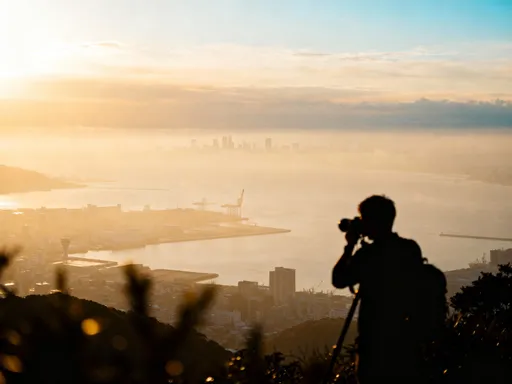
Rising gently above the city, Mount Rokko offers one of Japan’s most breathtaking urban panoramas. Accessible by cable car or hiking trail, the mountain serves as both a natural retreat and a prime vantage point for photographers seeking wide-angle cityscapes and atmospheric landscapes. From the summit, the entire sweep of Kobe unfolds—its harbor glittering under morning light, skyscrapers stepping down toward the sea, and the distant curve of Awaji Island on the horizon. The view changes dramatically with the time of day: soft pastels at dawn, sharp contrasts at midday, and the legendary ‘million-dollar night view’ when the city lights ignite in a cascading sea of gold and white. For those traveling with a camera, this is a non-negotiable stop.
One of the most magical experiences on Mount Rokko is the Shiki no Kuni illumination, held each winter from early December to late February. During this period, over one million LED lights transform the hillside into a glowing wonderland, depicting seasonal motifs like snowflakes, stars, and blooming plum blossoms. The display is carefully choreographed to blend with the natural contours of the landscape, creating a harmonious dialogue between art and environment. Photographers should arrive just after dusk to capture the transition from twilight to full illumination. Using a tripod and slow shutter speed allows for crisp, detailed shots that convey both scale and sparkle. Even without specialized gear, smartphone users can achieve stunning results by stabilizing their device and using night mode.
Beyond the lights and lookouts, Mount Rokko is home to serene cultural enclaves that enrich the visual journey. Hidden among the trees are small temples and onsen villages where time seems to slow. Arima Onsen, one of Japan’s oldest hot spring towns, lies nestled in the mountainside and offers a wealth of photographic opportunities—from steam rising off wooden bathhouses to elderly guests in yukata walking quietly through lantern-lit alleys. These scenes invite a more intimate, respectful approach to photography. Rather than intrusive close-ups, wide-angle environmental shots often tell a more complete story, showing how people live in harmony with nature and tradition. The mist that often drifts through the trails adds a dreamlike quality to images, softening edges and enhancing mood.
Kobe’s Historic Districts: Yamate and Kitano-cho
Wandering through Yamate and Kitano-cho feels like stepping into a living museum of cross-cultural architecture. These neighborhoods, perched on gentle hills overlooking the city, were once home to foreign merchants and diplomats during the Meiji and Taisho eras. Today, they preserve over 30 Western-style residences, known as *iyashiki*, many of which have been restored and opened to the public. With their gabled roofs, wraparound verandas, and rose-covered walls, these buildings stand in elegant contrast to the surrounding Japanese urban fabric. For photographers, the area offers a treasure trove of textures—weathered brick, carved wood, stained glass—and a unique opportunity to explore how foreign design was adapted to a Japanese climate and aesthetic.
The best time to photograph Kitano-cho is early in the morning, just after sunrise. By arriving before 8 a.m., visitors avoid tour groups and benefit from the soft, golden light that bathes the facades in warmth. Shadows stretch long across cobblestone paths, and the air often carries a delicate morning fog, adding depth and atmosphere to images. Because many of the houses sit on narrow streets with limited space, wide-angle lenses work particularly well for capturing full building exteriors. However, macro details—such as an ornate doorknob, a vintage mailbox, or ivy climbing a stone wall—can be just as compelling. These small elements often reveal more about the craftsmanship and history than sweeping shots alone.
While the architecture is striking, the true depth of Kitano-cho comes from understanding the stories behind the buildings. Local guided tours, available in English and Japanese, provide context about the families who lived there, the materials imported from abroad, and how these homes survived wartime and natural disasters. A guide might point out how one house was rebuilt using original blueprints after an earthquake, or how another once hosted a famous novelist. This knowledge enriches the photography experience, transforming simple snapshots into meaningful records. It also encourages respectful behavior—knowing that a building is still privately owned or used for cultural events reminds photographers to avoid trespassing or using flash in sensitive areas.
Sannomiya and Motomachi: Urban Pulse with Cultural Roots
At the heart of Kobe lies Sannomiya, a bustling commercial district that pulses with energy from morning until late evening. Connected to the quieter but equally vibrant Motomachi shopping arcade, this area blends modern convenience with enduring cultural traditions. The covered arcades stretch for blocks, sheltering hundreds of shops—from convenience stores and fashion boutiques to family-run noodle stalls and tea vendors. For street photographers, this is a dynamic playground of movement, color, and human interaction. The challenge lies not in finding subjects, but in choosing which moments to preserve. A vendor flipping okonomiyaki with practiced ease, a grandmother adjusting her hat under a paper umbrella, or a group of students laughing over melon pans—each offers a slice of authentic Kobe life.
One of the most rewarding aspects of photographing in Sannomiya and Motomachi is the presence of spontaneous cultural performances. During weekends and holidays, small stages appear throughout the arcades, hosting everything from traditional taiko drumming to folk dances and school music recitals. These events draw crowds but remain accessible, allowing photographers to capture both the performers’ intensity and the audience’s reactions. Shooting such moments requires awareness of lighting—fluorescent strips overhead can create unflattering color casts—so adjusting white balance or shooting in RAW format helps maintain natural skin tones. Positioning is equally important; moving to the side allows for dynamic angles without obstructing views.
Beyond the main thoroughfares, hidden alleys branch off into quieter zones filled with art installations, craft stalls, and indie galleries. These spaces reflect Kobe’s evolving identity—a city that honors its past while embracing creativity and innovation. A recent public art project, for instance, transformed a narrow passageway into a rotating exhibit of local photography, with prints mounted on wooden panels between buildings. These tucked-away spots invite slower, more intentional photography. Rather than chasing action, visitors can focus on composition, light, and symbolism. A single hanging lantern, a painted mural of Mount Rokko, or a hand-lettered sign in kanji and English can become the centerpiece of a powerful image that speaks to change, memory, and place.
Temples and Shrines: Quiet Beauty in Motion
Among Kobe’s most serene photographic subjects are its temples and shrines, which offer stillness amid the city’s rhythm. Sohjiji Temple, a lesser-known but deeply atmospheric site, belongs to the Soto Zen Buddhist tradition and features a tranquil garden designed for meditation. The temple’s wooden structures, aged to a soft gray, blend seamlessly with moss-covered stones and koi-filled ponds. Photographers drawn to minimalism will appreciate the clean lines, balanced asymmetry, and quiet symbolism embedded in every element. Early morning visits are ideal, as the first light filters through cedar trees, casting delicate shadows on the wooden engawa (verandas). Capturing the reflection of the main hall in still water requires patience, but the result is a mirror-like image that doubles the sense of peace.
Ikuta Shrine, located near Sannomiya Station, presents a different kind of spiritual atmosphere. As one of Japan’s oldest Shinto shrines—believed to have been founded over 1,800 years ago—it radiates historical continuity. The bright red torii gate marks the entrance to a sacred space where locals come to pray for health, safety, and good fortune. Unlike more tourist-heavy shrines, Ikuta retains a deeply local character. Visitors tie ema prayer plaques to wooden racks, toss coins into the offering box, and bow twice, clap twice, and bow once in quiet devotion. Photographing these rituals demands discretion. Long lenses allow for respectful distance, preserving the dignity of the moment without intrusion. Close-ups of details—the frayed ropes of the shimenawa, the weathered surface of a stone lantern, or the fluttering of paper fortunes in the breeze—can convey reverence without showing faces.
Seasonal decorations further enhance the visual richness of these sacred spaces. During spring, cherry blossoms frame the rooftops of Ikuta Shrine, while autumn brings fiery maple leaves to Sohjiji’s garden. New Year’s sees the shrines adorned with kadomatsu (pine and bamboo arrangements) and shimenawa ropes, symbolizing purification and renewal. These temporary elements add narrative layers to photographs, anchoring them in time and tradition. However, photographers must always prioritize cultural sensitivity. Flash photography is discouraged inside worship halls, and drones are strictly prohibited. The goal is not to capture everything, but to honor what is seen by representing it truthfully and respectfully.
Culinary Culture Through the Lens
While Kobe beef is world-famous, the city’s true culinary depth lies in its everyday food culture—noodle shops, fish markets, sake breweries, and home-style dining. Documenting these experiences offers a visceral way to connect with local life. A morning visit to Kobe Central Market reveals the rhythm of the day’s first transactions: vendors arranging glistening tuna, octopus tentacles coiled like sculpture, and baskets of seasonal vegetables stacked in rainbow hues. The air hums with conversation and the sizzle of grills. Photographing here requires speed and awareness—subjects are often in motion, and lighting can be uneven. Using a fast lens or increasing ISO helps freeze action and maintain clarity in lower light.
One of the most photogenic aspects of Japanese food culture is the craftsmanship behind it. In a small udon shop tucked behind Motomachi, a chef might be seen kneading dough by hand, his arms dusted with flour, the rhythmic thud echoing in the tiny kitchen. These behind-the-scenes moments, when captured with permission, tell a story of dedication and skill. Similarly, a sake brewery tour may reveal the quiet precision of fermentation tanks, wooden barrels labeled with calligraphy, and the soft glow of paper lanterns in a tasting room. The contrast between industrial scale and artisanal care makes for compelling visual narratives.
When photographing food itself, attention to detail elevates the image from snapshot to art. Steam rising from a bowl of ramen, the glisten of fat on a grilled beef skewer, or the delicate arrangement of pickled vegetables on a wooden tray—all invite the viewer to imagine taste, smell, and texture. Natural light, especially from a window, enhances these qualities far better than harsh overhead lighting. Dining becomes more than consumption; it becomes a cultural exchange. A shared meal with locals, documented with gratitude and warmth, can result in some of the most meaningful photographs of a trip—not because they are technically perfect, but because they carry connection.
Practical Tips for Photographing Culture in Kobe
To make the most of a photographic journey through Kobe, timing and preparation are key. The best seasons for soft light and vibrant scenes are spring (March to May) and autumn (October to November). During these months, temperatures are mild, skies are often clear, and seasonal changes—cherry blossoms or fall foliage—add visual drama. Mornings, particularly between 6:30 and 8:30 a.m., offer the most favorable lighting conditions and fewer crowds, ideal for capturing architecture and street life. Late afternoon, around 4:00 to 6:00 p.m., brings the golden hour, when sunlight bathes the city in warm tones, perfect for portraits and cityscapes.
When it comes to gear, a lightweight and versatile setup is recommended. A mirrorless camera with a 24-70mm lens covers most scenarios, from wide street scenes to tighter environmental portraits. For travelers who prefer simplicity, modern smartphones with night mode and portrait mode can produce excellent results, especially when combined with a small tripod or stabilizer. Avoid bulky equipment that draws attention or hinders mobility. Discretion helps build trust with subjects and allows for more natural interactions. Carrying a small notebook to jot down observations or ask simple questions in Japanese (like ‘May I take a photo?’—‘Shashin o totte mo ii desu ka?’) goes a long way in showing respect.
Respecting local customs is not just ethical—it enhances the quality of your photography. In Japan, privacy is highly valued, so always ask permission before photographing individuals, especially in private or sacred spaces. In temples and shrines, silence and modesty are expected; speaking softly and dressing appropriately shows awareness. When photographing food vendors or artisans, a small purchase or kind word often opens the door to more authentic access. Remember, the goal is not just to take pictures, but to build bridges. The most powerful images are those taken with consent, context, and care.
In the end, photographing culture in Kobe is about more than collecting images—it’s about deepening understanding. Each photo becomes a memory not just of what was seen, but of what was felt. The city’s blend of resilience, elegance, and quiet pride leaves an imprint on those who walk its streets with open eyes. Through the lens, travelers don’t just observe Kobe—they participate in its story. And in doing so, they help preserve its soul, one respectful, heartfelt frame at a time.