You Gotta See These Hidden Shopping Spots in Sicily—So Authentic and Unbeatable
Shopping in Sicily isn’t just about buying souvenirs—it’s a full sensory experience. I wandered through sun-drenched markets, stumbled upon family-run boutiques, and discovered crafts passed down for generations. From vibrant street stalls to tucked-away ateliers, every find felt personal and real. If you're looking for more than tourist traps, Sicily’s shopping scene will surprise you. Let me show you where to go and what to look for.
Why Shopping in Sicily Feels Different
Sicilian shopping is not an errand—it’s a rhythm of life, woven into the island’s cultural fabric. Unlike the uniformity of shopping malls or global retail chains, what you encounter here is deeply personal, rooted in centuries of tradition, migration, and artistic expression. Each purchase, whether a bar of citrus-scented soap or a hand-painted ceramic plate, carries a story shaped by generations of artisans who value craft over convenience. This authenticity transforms shopping from a transaction into a meaningful exchange between traveler and maker.
The island’s layered history—Greek, Roman, Arab, Norman, and Spanish influences—has left an indelible mark on its craftsmanship. You see it in the geometric tile patterns reminiscent of North African design, in the delicate filigree of coral jewelry echoing Mediterranean trade routes, and in the bold colors of ceramics that mirror the sun-drenched hills and sea. These are not mere aesthetic choices; they are cultural imprints. When you buy locally made goods, you're not just acquiring an object—you're preserving a legacy.
What also sets Sicilian shopping apart is the pace. It’s slow, deliberate, and conversational. Vendors often invite you to taste a slice of almond cake or sample olive oil before making a decision. This unhurried approach encourages mindfulness, allowing travelers to truly connect with what they’re buying. It's a stark contrast to the rushed, algorithm-driven shopping experiences common at home. In Sicily, time slows, and attention sharpens. You learn to appreciate the texture of linen, the weight of a well-made knife, or the subtle scent of sun-dried capers.
Supporting local artisans also contributes to sustainable tourism. Many of these craftspeople operate small, family-run businesses vulnerable to mass production and tourism-driven commodification. By choosing authenticity, you help sustain livelihoods and cultural heritage. Your purchase becomes part of a larger narrative—one of resilience, pride, and continuity. In this way, shopping in Sicily isn’t just rewarding for the traveler; it’s vital for the community.
Palermo’s Street Markets: Chaos with Character
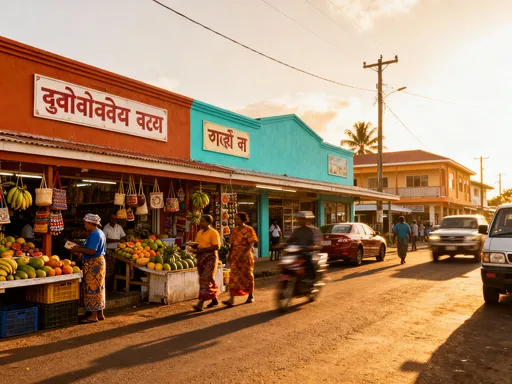
No visit to Sicily is complete without stepping into the vibrant, chaotic heart of Palermo’s historic markets. Ballarò, Vucciria, and Capo are not tourist attractions in the conventional sense—they are living, breathing parts of daily life. These are where grandmothers bargain for fresh sardines, chefs source seasonal produce, and neighbors exchange news between stalls. The air hums with dialect, sizzles with frying panelle, and swirls with the scent of saffron and ripe figs. To walk through these markets is to witness the soul of the city.
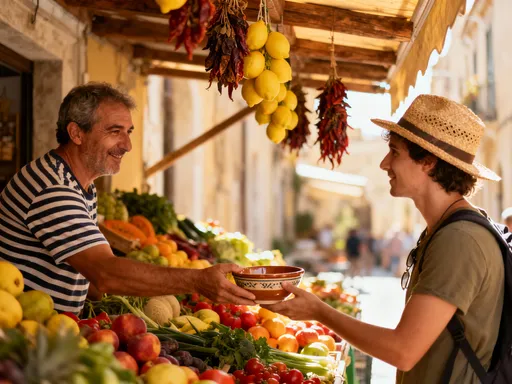
Ballarò, the largest and most dynamic, stretches across several blocks in the Albergheria district. It’s a feast for the senses: pyramids of blood oranges glow under the morning sun, bundles of wild fennel spill from wooden crates, and strings of dried peppers hang like festive bunting. Amid the food stalls, you’ll find vendors selling everything from embroidered handkerchiefs to hand-carved walking sticks. The energy is raw and unfiltered—there’s no stage management here, just real life in motion.
For visitors, navigating these markets can feel overwhelming at first. The crowds press close, the noise is constant, and signage is minimal. But this is where the magic lies. Rather than rushing through, take your time. Follow the locals. Watch where they stop, what they inspect, how they negotiate. A smile and a simple 'buongiorno' go a long way. Most vendors appreciate genuine interest, even if your Italian is limited. Many will gesture, demonstrate, or offer a sample to bridge the language gap.
Look beyond the produce for hidden treasures. In Ballarò, tucked between fishmongers and spice sellers, you’ll find small tables displaying hand-painted ceramics from nearby towns like Santo Stefano di Camastra. These aren’t mass-produced souvenirs—they’re individual works, each with slight imperfections that speak to their handmade origin. Similarly, in Vucciria, despite its more tourist-oriented evolution, you can still find elderly artisans selling lace doilies or hand-stitched leather goods. The key is to look closely and ask questions. A simple 'Chi l’ha fatto?' (Who made this?) often sparks a proud explanation and a warm connection.
Taormina’s Boutique Charm: Elegance on a Hilltop
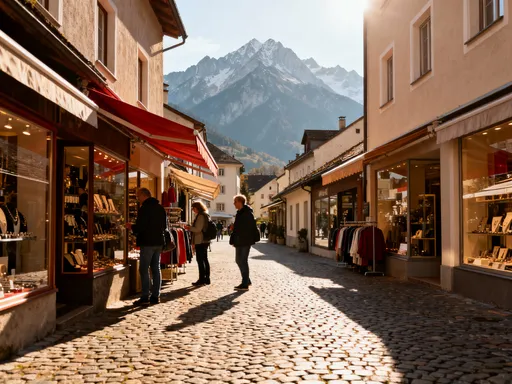
If Palermo’s markets represent the island’s vibrant pulse, Taormina offers a more refined rhythm. Perched on a cliff overlooking the Ionian Sea, this elegant hilltop town blends natural beauty with sophisticated style. Its shopping scene reflects that duality—intimate boutiques line Corso Umberto, the main pedestrian street, offering a curated mix of luxury and local flair. Here, shopping feels like a leisurely art form, where window displays are as much a part of the experience as the purchases themselves.
Taormina attracts discerning travelers, and its shops cater to those seeking both beauty and practicality. Linen clothing is a standout—lightweight dresses, tunics, and trousers in soft hues of sand, sage, and seafoam blue. These pieces are not only stylish but perfectly suited to Sicily’s warm climate. Many boutiques carry locally designed lines, often made in small batches using natural dyes and traditional weaving techniques. The quality is evident in the drape of the fabric and the precision of the stitching.
Jewelry is another highlight. You’ll find pieces inspired by ancient Greek and Roman motifs—double-headed eagles, olive branches, amphorae—crafted in silver and accented with coral, a material historically prized in the Mediterranean. Some jewelers even incorporate lava stone from Mount Etna, adding a symbolic connection to the island’s volcanic heart. While prices here are higher than in other parts of Sicily, the craftsmanship justifies the cost. These are heirloom pieces, meant to last and be passed down.
That said, smart shopping in Taormina means balancing indulgence with intention. It’s easy to be drawn in by the polished storefronts and elegant displays, but not every item is locally made. Some boutiques sell imported goods repackaged as 'Sicilian style.' To ensure authenticity, look for signs of craftsmanship: hand-setting in jewelry, unique fabric patterns, or labels indicating local production. Don’t hesitate to ask questions—shop owners are usually proud to share the origin of their products. And remember, window browsing is perfectly acceptable. Simply enjoying the aesthetic is a valid way to engage with the town’s culture.
Syracuse’s Old Town Gems: Craftsmanship in Ortigia
Across the causeway from modern Syracuse lies Ortigia, the ancient island heart of the city and a treasure trove of artisanal craftsmanship. This compact, walkable district feels like stepping into a living museum—Baroque churches rise above narrow limestone streets, fishermen mend nets by the harbor, and small workshops hum with quiet industry. Here, shopping is intimate, often involving direct interaction with the makers themselves.
One of Ortigia’s most beloved local products is its artisanal soap. At small apothecaries and family-run shops, you’ll find bars infused with Sicilian citrus—blood orange, lemon, and bergamot—harvested from nearby groves. The recipes are often generations old, using cold-pressed olive oil and natural essences. The result is a simple yet luxurious product that captures the island’s essence. Many shops allow you to smell and touch the soaps before buying, and some even offer custom wrapping, making them ideal gifts.
Jewelry making is another strong tradition in Ortigia. Local designers draw inspiration from the city’s Greek roots, creating pieces that echo ancient motifs—meander patterns, laurel wreaths, and goddess profiles. What sets these apart is the attention to detail and the use of ethical materials. Some jewelers work exclusively with recycled silver and sustainably sourced coral, reflecting a growing awareness of environmental responsibility. Purchasing a piece here means owning a modern interpretation of history, crafted with care.
What makes Ortigia special is the accessibility of the artisans. In some shops, you might see the jeweler at work in the back room, filing a silver band or setting a stone. In others, a soap maker might explain the curing process, which can take up to six weeks for full maturity. These interactions deepen the value of your purchase. You’re not just buying an object—you’re participating in a tradition. To spot genuine handmade goods, look for slight variations in color, texture, or design. Perfection is not the goal; authenticity is.
Pottery Hotspots: From Caltagirone to Rural Workshops
No exploration of Sicilian craftsmanship is complete without delving into its world-renowned pottery tradition. At the heart of this legacy is Caltagirone, a hilltop town in southeastern Sicily famous for its 142-step Scalinata di Santa Maria del Monte. Each step is adorned with hand-decorated ceramic tiles, their patterns shifting in color and design as you ascend—a breathtaking fusion of architecture and art. The staircase is not just a tourist sight; it’s a testament to the town’s centuries-old devotion to ceramics.
Caltagirone’s pottery dates back to Arab rule in the 9th century, when advanced kiln techniques and glazing methods were introduced. Over time, the craft evolved, absorbing influences from Spanish and Italian styles. Today, the town is home to dozens of workshops, from family-run studios to larger ateliers. The most iconic designs feature floral motifs, sunbursts, and marine life, rendered in vibrant cobalt blue, emerald green, and terracotta red. Plates, vases, jugs, and decorative tiles are all produced here, each piece glazed and fired with meticulous care.
But Caltagirone is just the beginning. Smaller towns across the island have developed their own distinctive styles. Santo Stefano di Camastra, near Messina, has revived its ceramic tradition in recent decades, now hosting an annual International Ceramics Festival. Its pieces often feature whimsical, modern interpretations of traditional patterns. In Modica and Noto, pottery tends to be more restrained, with earthy tones and minimalist designs that complement the towns’ Baroque architecture.
For travelers, visiting a pottery studio is both inspiring and practical. Most workshops welcome visitors, offering a chance to see the process—from shaping the clay on the wheel to hand-painting intricate designs. Some even provide short demonstrations or allow guests to try their hand at painting a small piece. If you plan to buy fragile items, consider shipping options. Many studios offer secure packaging and international shipping, often at reasonable rates. Prices vary: a small decorative plate might cost 15–25 euros, while a large hand-painted vase could range from 80 to 200 euros, depending on complexity.
Food as Shopping: Markets That Feed Your Journey
In Sicily, some of the most meaningful souvenirs aren’t meant to be displayed—they’re meant to be eaten. The island’s culinary bounty offers a delicious way to bring a piece of Sicily home. From golden olive oil to sun-cured capers, from aromatic sea salt to delicate cannoli kits, edible souvenirs connect you to the land, the climate, and the people who cultivate it. Shopping for food here is not just practical—it’s an essential part of the cultural experience.
Start with olive oil. Sicily produces some of Italy’s finest, particularly in the hills around Modica and the slopes of Mount Etna. Look for cold-pressed, extra virgin oil in dark glass bottles or tins, labeled with the harvest date. Fresher oil has a peppery finish and bright green hue. Many farms and cooperatives offer tastings, allowing you to compare flavors—some grassy, others nutty or fruity. A small 500ml bottle makes a perfect gift or personal keepsake.
Sea salt from the Trapani salt pans is another standout. Harvested using ancient methods, it’s rich in minerals and has a delicate crunch. You’ll find it in specialty shops and markets, often packaged in handmade paper or ceramic jars. Flavored varieties—infused with lemon zest, rosemary, or chili—are especially popular. Capers from Salina, one of the Aeolian Islands, are renowned for their intense flavor. Packed in salt or brine, they travel well and elevate everything from pasta to grilled fish.
And then there are the sweets. Cannoli kits—pre-filled shells with ricotta cream in a separate container—are widely available and ideal for home assembly. Look for brands that use sheep’s milk ricotta and candied orange peel. Alternatively, bring home packets of cassata cake mix or almond paste for traditional Sicilian desserts. When buying perishable or delicate items, ask for vacuum sealing or insulated packaging. Most shops are experienced in preparing goods for travel and can advise on shelf life and storage.
Smart Shopping Tips: Avoiding Traps and Finding Value
To make the most of your Sicilian shopping experience, a few practical strategies can go a long way. Timing matters. Most markets and small shops open in the morning, around 8 or 9 a.m., and many close for a few hours in the early afternoon—typically from 1 to 4 p.m.—before reopening in the evening. Larger towns like Palermo and Taormina may have more continuous hours, but rural shops often follow the traditional siesta pattern. Planning your visits for late morning or late afternoon ensures the best selection and the liveliest atmosphere.
Cash is still king in many smaller establishments, especially in markets and family-run boutiques. While credit cards are widely accepted in hotels and larger stores, you’ll find that some artisans prefer cash for small purchases. Having euros in smaller denominations—5, 10, and 20 euro bills—makes transactions smoother and shows respect for local customs. It also helps you stay within budget, as handing over cash creates a more tangible sense of spending.
Bargaining is generally not expected in fixed-price stores, but in open markets, polite negotiation is sometimes acceptable—especially if you’re buying multiple items. A smile and a friendly 'È possibile uno sconto?' (Is a discount possible?) can lead to a small reduction, particularly at the end of the day when vendors are packing up. However, avoid aggressive haggling; these are small businesses, and fair pricing supports the artisans.
Be mindful of overpriced tourist traps. In highly visited areas like Taormina’s main street or near major landmarks, some shops sell mass-produced goods labeled as 'handmade in Sicily.' To avoid these, look for signs of authenticity: visible craftsmanship, local branding, or direct interaction with the maker. If a ceramic plate looks too perfect or too cheap, it likely wasn’t made on the island. Similarly, olive oil sold in clear plastic bottles or without a harvest date is suspect.
Finally, integrate shopping into your sightseeing. Visit a market after a morning tour, stop by a pottery studio on your way to a historic site, or enjoy a coffee in Ortigia before browsing its boutiques. This approach makes shopping feel natural and enriching, not rushed or transactional. By being thoughtful and respectful, you’ll bring home more than souvenirs—you’ll carry memories of connection, discovery, and the enduring spirit of Sicily.
Shopping in Sicily goes beyond transactions—it’s about connection, discovery, and bringing home pieces of a living culture. By choosing authentic venues and engaging with makers, you enrich your journey and support sustainable tourism. Next time you walk through a market or browse a quiet shop, remember: each item holds a story. Let yours begin there.