You Won’t Believe These Secret Theme Worlds in New Orleans
New Orleans isn’t just jazz and beignets—there’s a hidden layer to this city that most travelers miss. I’m talking about its unique theme areas, where culture, history, and imagination collide in the most unexpected ways. From eerie cemeteries that feel like gothic film sets to colorful courtyards straight out of a dream, these spots offer a private kind of magic. This is not your average tourist trail—it’s a deeper, more personal journey through one of America’s most mysterious cities. These are not staged attractions, but living spaces where history breathes through iron gates, music spills from back porches, and every street corner seems to whisper a secret. For the thoughtful traveler, especially those seeking meaningful connection over crowded photo ops, New Orleans reveals itself in quiet, unforgettable moments.
The Vibe of New Orleans Beyond Bourbon Street
New Orleans wears many faces. To some, it is synonymous with the pulsing energy of Bourbon Street—balconies strung with beads, brass bands spilling onto sidewalks, and the sweet tang of hurricanes served in plastic cups. While this side of the city has its place, it represents only a sliver of what New Orleans truly offers. Beneath the revelry lies a more introspective, layered identity—one that unfolds in hushed alleyways, sun-dappled gardens, and neighborhoods where tradition runs deep. These quieter zones function like organic theme worlds, each shaped by centuries of cultural fusion, architectural artistry, and a reverence for storytelling.
What makes these spaces feel so thematically rich is their authenticity. Unlike manufactured theme parks, these areas evolved naturally over time, shaped by French, Spanish, African, and Caribbean influences. The city’s unique topography—its below-sea-level terrain, humid climate, and slow-moving waterways—has also contributed to an atmosphere unlike any other in the United States. Buildings tilt slightly with age, moss drapes from centuries-old oaks, and the air carries the scent of magnolia and damp stone. These sensory details create immersive environments that don’t need signage or ticket booths to feel like another world.
For the 30- to 55-year-old traveler—often balancing curiosity with a desire for comfort and meaning—these hidden realms offer something more satisfying than a checklist of sights. They invite pause, reflection, and a sense of personal discovery. While younger tourists may chase late-night parties, mature visitors are increasingly drawn to experiences that feel intimate and respectful. The real magic of New Orleans isn’t in its noise, but in its stillness—in the moments when you turn a corner and find yourself alone in a courtyard where time seems to have stopped.
The French Quarter’s Hidden Courtyards: Where Time Slows Down
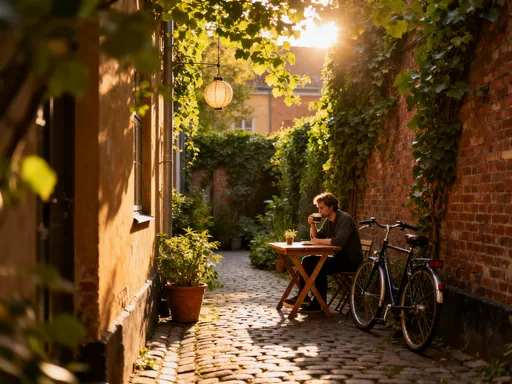
Behind the stately Creole townhouses of the French Quarter lie some of the city’s best-kept secrets: private courtyards lush with banana trees, jasmine vines, and burbling fountains. These green oases, often invisible from the street, were designed as inner sanctuaries—places where families could escape the heat, enjoy privacy, and cultivate beauty. Today, they function as natural theme zones, each with its own character, history, and atmosphere. Some are formal and symmetrical, echoing French garden design, while others feel wild and overgrown, as if nature has gently reclaimed them.
Walking into one of these courtyards is like stepping into a different era. The sound of the city fades, replaced by the rustle of palm fronds and the occasional chirp of a hidden bird. Wrought-iron railings, often centuries old, curl like lace above stone pathways. Potted orchids and ferns line the walls, and antique urns overflow with blooms. These spaces were never meant for mass tourism; they were built for contemplation, family gatherings, and quiet afternoons with a book. Yet, for the respectful visitor, access is possible through certain boutique inns, historic homes open to the public, or guided courtyard tours led by preservation societies.
One of the most accessible ways to experience these hidden gardens is by staying at a small hotel or bed-and-breakfast that opens its courtyard to guests. Properties like the Hotel Monteleone or the Maison de la Luz offer not only comfort but also a sense of immersion in the Quarter’s quieter side. Alternatively, organizations such as the Historic New Orleans Collection occasionally host walking tours that include private courtyards normally closed to the public. These tours emphasize preservation and cultural education, making them ideal for travelers who value authenticity and history.
When visiting, it’s important to move quietly and avoid touching fragile plants or structures. Photography is usually permitted, but flash should be avoided out of respect for the space. These courtyards are not performance venues—they are living parts of the city’s architectural soul. To experience one is to participate in a centuries-old tradition of finding peace within walls.
Cemeteries as Gothic Theme Parks (Without the Rides)
If theme parks are designed to transport visitors to other worlds, then New Orleans’ above-ground cemeteries come remarkably close—without the crowds, tickets, or roller coasters. Known as “cities of the dead,” these burial grounds are architectural wonders, filled with ornate tombs, marble statues, and iron gates that look like they belong on a movie set. St. Louis Cemetery No. 1, the oldest of the city’s municipal cemeteries, is perhaps the most famous. It is the resting place of voodoo priestess Marie Laveau, among other notable figures, and its narrow aisles wind like a maze through centuries of history.
The reason for above-ground burials is both practical and cultural. Due to New Orleans’ high water table, traditional in-ground burials were historically impractical—the coffins would often rise during heavy rains. Instead, families built tombs above the soil, often designed to reflect their social status, religious beliefs, or ethnic heritage. The result is a landscape of stone that feels both solemn and surreal. Walking through these cemeteries, visitors encounter everything from family mausoleums with locked doors to society tombs built by mutual aid groups. The atmosphere is hushed, reverent, and strangely beautiful.
While these cemeteries are not theme parks in the commercial sense, they offer a deeply immersive experience. The visual drama, historical weight, and quiet dignity of the space make it feel like stepping into a gothic novel. For many, the experience is emotional—less about morbid curiosity and more about connection to the past. It’s a place where time feels suspended, where the lives of those buried here seem to linger in the air.
Visitors are strongly encouraged to take a guided tour with a licensed operator. These tours provide context, ensure respectful behavior, and help protect the fragile structures. Touching tombs, climbing on walls, or disturbing offerings is strictly prohibited. Most tours last about an hour and include stories about the people buried there, the symbolism of tomb designs, and the cultural traditions that shape New Orleans’ relationship with death. For the thoughtful traveler, this is not a thrill-seeking adventure, but a meaningful encounter with a unique aspect of American history.
Treme: The Soulful Heart of Music and Culture
Just across Rampart Street from the French Quarter lies Treme, one of the oldest African American neighborhoods in the United States and a living cultural theme zone. This is where jazz took root, where second-line parades pulse through the streets, and where music flows from open windows like a second language. Unlike staged performances in tourist districts, the culture here is organic, community-driven, and deeply rooted in heritage. Murals honor legends like Louis Armstrong and Mahalia Jackson, corner bars host impromptu jam sessions, and brass bands practice in backyards.
Treme offers an immersive experience that goes beyond sightseeing. It’s a place where history is not just preserved, but lived. The neighborhood survived slavery, segregation, and the devastation of Hurricane Katrina, yet it remains a beacon of resilience and creativity. Its streets tell stories—not through plaques, but through rhythm, color, and conversation. For visitors, the best way to engage is with humility and openness. Attending a community event, such as a second-line parade or a neighborhood festival, allows for authentic connection without intrusion.
Many visitors choose to explore Treme during daylight hours, walking along North Rampart Street or St. Claude Avenue, where art galleries, soul food restaurants, and music venues line the route. Guided cultural tours led by local residents offer deeper insight into the neighborhood’s history and traditions. These tours often include stops at Congo Square, where enslaved people once gathered to dance and play music—a foundational moment in the birth of jazz.
Respect is key. Visitors should avoid treating the neighborhood like a museum or photo opportunity. Asking permission before taking photos of people, supporting local businesses, and listening more than speaking go a long way. For the 30- to 55-year-old traveler—particularly women who value emotional depth and cultural understanding—Treme offers a rare chance to witness artistry born from struggle and joy. It’s not about entertainment; it’s about witnessing a legacy that continues to evolve.
The Garden District: A Victorian-Era Fantasy in Full Bloom
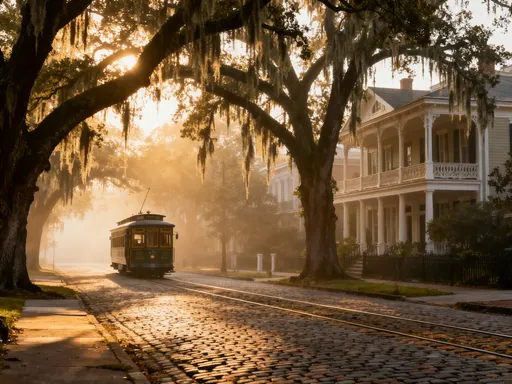
Just a short streetcar ride from the French Quarter, the Garden District unfolds like a scene from a 19th-century novel. Grand antebellum mansions, shaded by live oaks draped in Spanish moss, line quiet, tree-canopied streets. Each home tells a story—of sugar barons, Creole aristocracy, and families who shaped the city’s history. The area feels like a carefully curated theme world, where every detail, from the iron fences to the flower-filled front yards, contributes to a sense of timeless elegance.
Unlike the密集 energy of the Quarter, the Garden District moves at a slower pace. Residents walk dogs, garden in the mornings, and sip iced tea on wide porches. Magazine Street, which borders the district, adds a modern touch with its boutiques, bookstores, and cafés—perfect for a leisurely lunch or a quiet coffee break. The contrast between old and new, grandeur and comfort, makes this area especially appealing to travelers who appreciate both history and livability.
One of the best ways to experience the Garden District is on foot. A self-guided walking tour along St. Charles Avenue and Jackson Avenue allows visitors to admire the architecture up close. Many homes have plaques indicating their historical significance, and some, like the Buckner Mansion, have appeared in films and television shows. The Southern Garden Historical Society offers seasonal walking tours that delve into the district’s horticultural and architectural heritage.
Mornings and early afternoons are ideal for visiting, when the light filters softly through the trees and the streets are quiet. Spring and fall offer the most pleasant weather, with azaleas and camellias in bloom. For those who love photography, the Garden District provides endless opportunities—though, as always, it’s important to respect private property and avoid trespassing. This is not a stage set, but a living neighborhood where families have resided for generations.
Swamp and Bayou Outskirts: Nature’s Own Adventure Zone
Beyond the city limits, the landscape of southern Louisiana transforms into a watery wilderness of cypress swamps, winding bayous, and whispering reeds. These wetlands, home to alligators, herons, and egrets, offer a natural theme world unlike any man-made attraction. Airboat tours glide over glassy water, captains point out wildlife, and the scent of damp earth and blooming water lilies fills the air. For travelers seeking a break from urban energy, these excursions provide peace, wonder, and a deep connection to nature.
The contrast between New Orleans and its surrounding swamps is striking. One moment, you’re in a city alive with music and movement; the next, you’re floating through a silent forest where time moves with the current. These tours are not adrenaline-fueled rides, but meditative journeys through a fragile ecosystem. Licensed operators emphasize conservation, educating visitors about the importance of wetland preservation and the impact of climate change on this vulnerable region.
Most eco-tours depart from nearby towns like Marrero, Jean Lafitte, or Lafitte itself, and last between two and three hours. Visitors can choose between airboats, which are faster and cover more ground, or smaller pontoon boats, which offer a quieter, more intimate experience. Regardless of the vessel, guides are knowledgeable about local wildlife, Cajun traditions, and the history of the bayou communities. Many share stories passed down through generations, adding a human dimension to the natural beauty.
For families or solo travelers, these tours are both safe and enriching. Operators provide life jackets, and tours are designed for all ages and mobility levels. It’s recommended to wear light layers, bring sunscreen, and carry a reusable water bottle. Cameras are welcome, but visitors should avoid loud noises or sudden movements that might disturb the animals. These wetlands are not a zoo—they are a living, breathing part of Louisiana’s soul.
Why These Theme Areas Make New Orleans Personal
What sets New Orleans apart is not just its sights, but its ability to create intimate, emotional connections. Each of these theme areas—whether a hidden courtyard, a historic cemetery, or a misty bayou—invites the traveler to slow down, listen, and feel. They are not about ticking off landmarks, but about experiencing a place on a deeper level. For the 30- to 55-year-old woman, often navigating busy lives and family responsibilities, these moments of quiet discovery can be profoundly restorative.
The city’s magic lies in its layers. It doesn’t reveal itself all at once. Instead, it unfolds gradually—in the smile of a local shopkeeper, the echo of a distant trumpet, the way sunlight hits a stained-glass window in an old chapel. These secret worlds are not hidden because they are exclusive, but because they require presence to be seen. They reward curiosity, patience, and respect.
Travelers who seek depth over spectacle will find that New Orleans offers more than entertainment—it offers transformation. By stepping into these themed spaces, visitors don’t just observe culture; they become part of its ongoing story. The city’s resilience, creativity, and spirit of celebration are not just historical footnotes—they are alive in the music, the food, the gardens, and the quiet corners where memory lingers.
So, the next time you plan a trip, consider going beyond the guidebooks. Let New Orleans surprise you. Walk the side streets. Join a small tour. Sit in a courtyard and listen. These hidden theme worlds are not just destinations—they are invitations. An invitation to connect, to reflect, and to remember why we travel in the first place: to feel alive, to find beauty, and to return home with stories that stay with us long after the suitcase is unpacked.