You Won’t Believe What Geneva’s Food Scene Just Did to Me
Geneva isn’t just lakes and watches—its dining scene blew me away. From hidden bistro gems to lakeside fondue with a view, the city blends Swiss tradition with global flair. I wandered Old Town alleys, stumbled upon family-run spots, and tasted wines I’d never heard of. This isn’t just eating—it’s experiencing culture, one bite at a time. Let me show you the real flavors of Geneva.
The Heartbeat of Geneva: Where Food Meets Culture
Geneva’s culinary identity is shaped by its unique position at the crossroads of French, German, and Italian influences, yet it stands apart with a character all its own. More than just a financial hub or diplomatic capital, the city pulses with a quiet gastronomic rhythm rooted in seasonality, craftsmanship, and cultural openness. Unlike the rigid formality sometimes associated with fine dining, Geneva’s food culture feels intimate and intentional. Meals unfold slowly, conversations deepen over shared plates, and even a simple lunch reflects a respect for ingredients and heritage. This is not a city chasing culinary trends—it is one that honors tradition while embracing subtle innovation.
At the heart of this balance is the fusion of French elegance and Swiss precision. You see it in the meticulous plating of a lake fish dish, the delicate folds of handmade ravioli in a family-owned trattoria, or the perfectly risen crust of a sourdough loaf at a neighborhood bakery. Chefs in Geneva often source from local farms in the Lavaux vineyards, the Jura mountains, or nearby Lake Geneva itself, ensuring that menus shift with the seasons. Spring brings tender asparagus and morel mushrooms; summer offers sun-ripened tomatoes and fresh herbs; autumn is marked by game meats and chestnuts; and winter warms the palate with root vegetables and rich stews. Sustainability isn’t just a buzzword here—it’s a practice woven into the fabric of daily life.
What makes Geneva’s food culture truly special is its authenticity. Dining is not a performance for tourists but a lived experience for residents. Whether you’re seated at a bustling market stall or a Michelin-recommended restaurant, the emphasis remains on connection—between people, place, and plate. Servers speak with pride about their suppliers, and chefs often greet guests personally. This personal touch transforms meals into moments of belonging, where even visitors feel welcomed into the rhythm of local life. In Geneva, food isn’t just sustenance—it’s storytelling, identity, and hospitality all served on a single plate.
Old Town Eats: Cobblestones, Charm, and Secret Bites
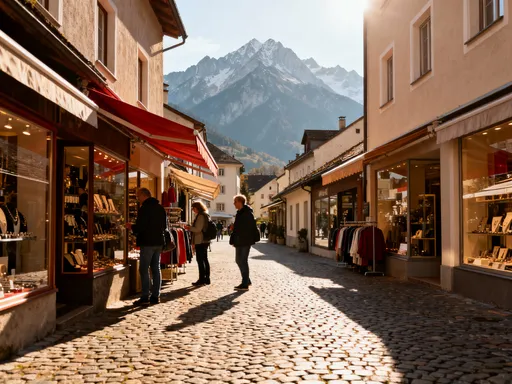
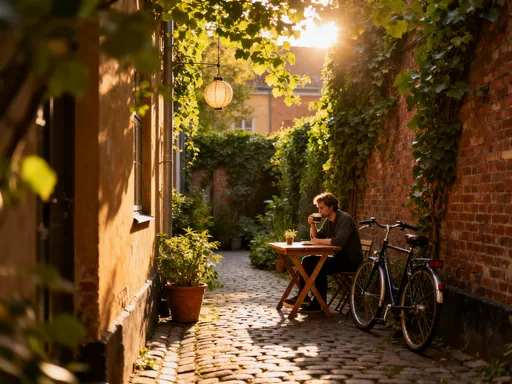
Wandering through Geneva’s Old Town is like stepping into a living postcard, where every cobblestone seems to whisper stories of centuries past. Tucked between historic churches and boutique bookshops are small eateries that have been serving generations of locals with little fanfare. These are not the glossy, Instagram-ready spots found near the Jet d’Eau, but the kind of places where wooden chairs creak under regulars, and the scent of butter and garlic lingers in the air long after closing. Here, authenticity isn’t marketed—it’s simply lived.
One such gem is a family-run café tucked behind St. Peter’s Cathedral, where the morning ritual begins with thick slices of rye bread, homemade apricot jam, and a steaming cup of Swiss coffee. The owner, a third-generation baker, still rises at 4 a.m. to prepare the day’s batch of croissants and pain au chocolat, using a recipe passed down from his grandmother. Another hidden delight is a tiny bistro in the rue du Puits-Saint-Pierre, where the daily menu is scrawled on a chalkboard and changes according to what’s fresh at the market. A plate of warm rösti—Switzerland’s beloved potato pancake—comes crisp on the edges and golden in the center, often topped with a perfectly fried egg and a side of local mountain cheese.
What sets these Old Town spots apart is not just the food, but the atmosphere. There’s no pressure to order the most expensive item on the menu or to take photos for social media. Instead, there’s a quiet warmth—a sense that you’ve been let in on a well-kept secret. Service is unhurried, conversations flow easily, and the staff remembers your name after just one visit. For travelers seeking an experience beyond the guidebook, these unassuming corners of Geneva offer a rare kind of intimacy. They remind us that the best meals are often found not in grand settings, but in the humble places where food is made with care and served with heart.
Lakeside Luxury: Fine Dining with a View
Along the shimmering shores of Lake Geneva, a different kind of dining experience unfolds—one defined by elegance, refinement, and breathtaking scenery. Here, white tablecloths catch the golden light of sunset, and the gentle lap of water against the dock sets the rhythm of the evening. These are the city’s most celebrated restaurants, where culinary artistry meets alpine grandeur. While they may come with a higher price tag, they offer more than just a meal—they deliver a sensory journey that lingers in memory long after the last bite.
One standout is a lakeside establishment in the Eaux-Vives district, where panoramic windows frame the water and the distant Alps. The menu features locally sourced perch and whitefish, often caught the same morning, prepared with delicate sauces that enhance rather than overpower. A sommelier guides guests through an extensive list of Swiss wines, including rare vintages from the Valais and Vaud regions. Each course is presented like a work of art—think seared scallops on a bed of saffron risotto, or venison medallions paired with a reduction of black currant and juniper. The experience is not about extravagance, but about harmony—between flavor, presentation, and the natural beauty outside.
Another notable destination is a boutique restaurant nestled in the heart of the Mont-Blanc district, known for its innovative take on traditional Swiss ingredients. Here, fondue is elevated with aged Gruyère and a hint of truffle oil, while raclette is served with pickled vegetables and house-made charcuterie. The chef, trained in both French and Swiss kitchens, draws inspiration from the surrounding landscape, creating dishes that reflect the clarity of mountain air and the richness of alpine pastures. Reservations are essential, often booked weeks in advance, especially during summer and the holiday season. But for those willing to plan ahead, the reward is a dining experience that feels both luxurious and deeply rooted in place.
Markets & Street Bites: Real Flavors, No Filter
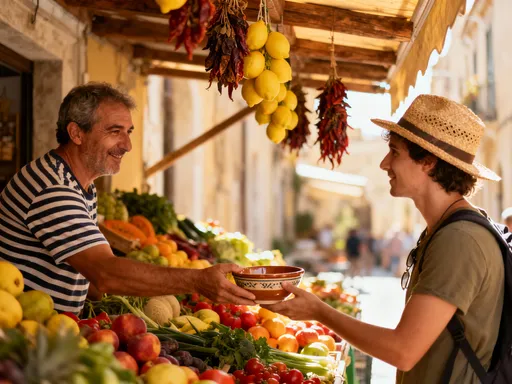
If you want to taste the soul of Geneva, head to its markets. These are not curated tourist attractions, but vibrant, everyday spaces where locals shop, chat, and savor the simple pleasures of fresh food. The Carouge Market, held every Saturday morning in the artsy neighborhood of the same name, is a feast for the senses. Stalls overflow with organic vegetables, fragrant herbs, and baskets of just-picked berries. Artisan bakers sell sourdough loaves with crackling crusts, while cheese vendors offer samples of creamy tomme and aged alpine varieties.
But it’s the street bites that truly capture the spirit of the city. A small stand run by a third-generation chocolatier offers hand-crafted truffles dusted with cocoa and filled with lavender honey or salted caramel. Nearby, a vendor slices thin rounds of saucisson sec, a dry-cured sausage that pairs perfectly with a glass of local Fendant wine. One of the most beloved local treats is the Geneva-style sandwich—a crusty roll filled with ham, Gruyère, butter, and a touch of Dijon mustard, then pressed until warm and melty. It’s simple, satisfying, and deeply comforting—exactly the kind of food that feels like home, even if you’ve just arrived.
These markets are more than just places to eat—they’re gateways to Swiss daily life. Parents push strollers while sampling goat cheese, retirees debate the best tomato variety, and tourists linger at communal tables, sharing stories over coffee. The atmosphere is relaxed, unhurried, and welcoming. For visitors, shopping at these markets is a way to connect with the rhythm of the city, to move beyond the sights and into the routines that define local living. And with many vendors offering organic, pesticide-free, or biodynamic products, they also reflect Geneva’s growing commitment to sustainability and health.
Fondue & Beyond: Classic Dishes Done Right
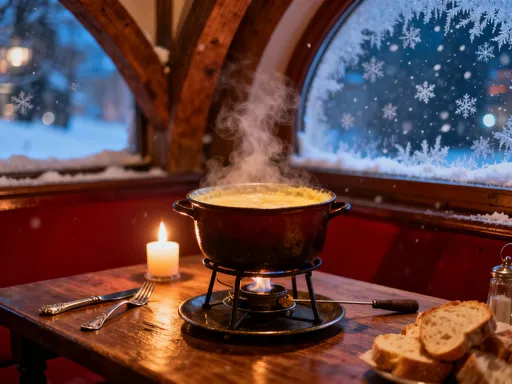
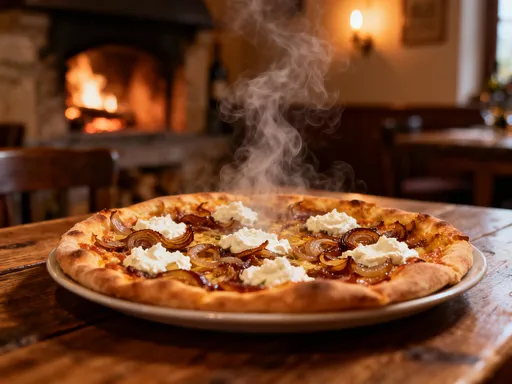
No visit to Geneva is complete without experiencing its most iconic dishes—fondue, raclette, and papet vaudois. These are not just meals; they are rituals, each with its own history, technique, and social significance. Fondue, perhaps the most famous, originated as a way for farmers to stretch leftover cheese during the long winter months. Today, it’s a symbol of togetherness, best enjoyed in a cozy wood-paneled restaurant with a group of friends or family. The key to great fondue lies in the blend of cheeses—typically a mix of Gruyère and Vacherin—and the careful balance of white wine, garlic, and a splash of kirsch.
But not all fondue is created equal. Tourist traps often serve pre-mixed, reheated versions that lack depth and texture. To experience the real thing, seek out restaurants that prepare the dish tableside, using freshly grated cheese and a steady flame. A proper fondue should be smooth, creamy, and slightly elastic—never grainy or separated. It’s traditionally eaten with cubes of stale bread, dipped with a long fork, and accompanied by a crisp white wine like Fendant or a light Pinot Noir. And don’t forget the rule: if you drop your bread, you owe the group a round of drinks.
Raclette, another alpine favorite, involves melting a half-wheel of cheese and scraping the gooey layer onto a plate of boiled potatoes, pickled onions, and cured meats. It’s hearty, indulgent, and perfect for colder months. Papet vaudois, less known internationally but deeply cherished locally, is a dish of leeks and creamy potatoes served with a smoked sausage called saucisse aux choux. The leeks are slow-cooked until tender, absorbing the rich flavors of butter and broth, creating a dish that is humble yet profoundly satisfying. For travelers, trying these classics is not just about taste—it’s about participating in a culinary tradition that has nourished Swiss communities for generations.
Hidden Gems: Off-the-Beaten-Path Experiences
Beyond the postcard-perfect views and well-trodden tourist routes, Geneva reveals another layer—one shaped by immigration, diversity, and bold flavors. Neighborhoods like Jonction, Paquis, and Plainpalais are where the city’s multicultural soul truly shines. These are not the polished districts of embassies and luxury boutiques, but vibrant, working-class areas where North African, Balkan, Middle Eastern, and South Asian communities have put down roots and opened kitchens that reflect their heritage.
In Paquis, just a short walk from the central train station, you’ll find small restaurants serving fragrant tagines simmered with apricots and spices, flaky börek filled with cheese and spinach, and platters of grilled lamb seasoned with cumin and paprika. One family-run spot, open for over 30 years, offers a daily special of couscous with seven vegetables and tender chicken, served on hand-painted Moroccan plates. Another hidden favorite is a Balkan grill where the ćevapi—small grilled meat sausages—are made fresh each morning and served with somun bread and onions. These meals are affordable, generous in portion, and full of flavor, offering a stark contrast to the more formal dining experiences elsewhere in the city.
What makes these neighborhoods so special is their authenticity. There are no menus in multiple languages or curated tasting menus—just honest, home-style cooking made with pride. The owners often greet guests like family, and the atmosphere is warm and unpretentious. For travelers willing to step off the beaten path, these areas offer a deeper understanding of Geneva’s identity—not just as a city of diplomacy and luxury, but as a place shaped by movement, migration, and cultural exchange. Dining here is not just about satisfying hunger; it’s about broadening your palate and your perspective.
Practical Bites: Navigating Geneva’s Dining Like a Local
Enjoying Geneva’s food scene to the fullest requires more than just a good appetite—it takes a bit of planning and local insight. One of the first things to know is that dining hours in Geneva differ from those in many other countries. Lunch is typically served between 12:00 p.m. and 2:00 p.m., and dinner starts no earlier than 7:00 p.m., with many restaurants not seeing their peak until 8:00 p.m. or later. Arriving too early may mean your table isn’t ready, while showing up late for a reservation could mean missing out entirely, especially at popular spots.
Prices in Geneva can be high, but there are ways to eat well without overspending. Many restaurants offer a “menu du jour”—a fixed-price lunch menu that includes a starter, main course, and sometimes dessert—for a fraction of the cost of à la carte dining. Street food and market stalls also provide delicious and affordable options. When it comes to tipping, service is usually included in the bill, but it’s customary to round up to the nearest franc or leave a small additional amount if the service was exceptional. Cash is still widely accepted, especially at markets and smaller eateries, so it’s wise to carry some Swiss francs.
Getting around is easy thanks to Geneva’s efficient public transportation system. Buses, trams, and trains connect all major neighborhoods, making it simple to reach restaurants in areas like Carouge or Jonction. For those staying in the city center, most destinations are within walking distance. To secure a table at a sought-after restaurant, it’s best to book in advance—many accept reservations online or through apps like TheFork or Resy. Finally, keep in mind that some smaller establishments close for part of August or during winter holidays, so checking opening times in advance can save disappointment. With a little preparation, even first-time visitors can navigate Geneva’s dining scene with confidence and curiosity.
Conclusion
Geneva’s dining isn’t about perfection—it’s about connection. Each meal tells a story of mountains, lakes, and cultures meeting at the table. Whether you’re sipping wine in Carouge or sharing fondue under cathedral lights, you’re not just eating—you’re belonging. Let your taste buds lead the way.