Lost in Bandung? How City Districts Can Make or Break Your Trip
Bandung, Indonesia’s highland gem, promises cool breezes, creative vibes, and colonial charm—but not every district delivers the experience you’re chasing. I learned this the hard way. What looked like a vibrant neighborhood on a map turned into a maze of traffic and underwhelming spots. This city is full of contrasts: artsy hubs next to overlooked zones, bustling streets hiding quiet escapes. Choosing the right district isn’t just convenient—it shapes your entire journey. A wrong turn can lead to hours lost in congestion; the right choice opens doors to authentic culture, hidden cafes, and unforgettable moments. In a city where location defines experience, understanding its districts is the first step toward a meaningful trip.
The Allure and Complexity of Bandung
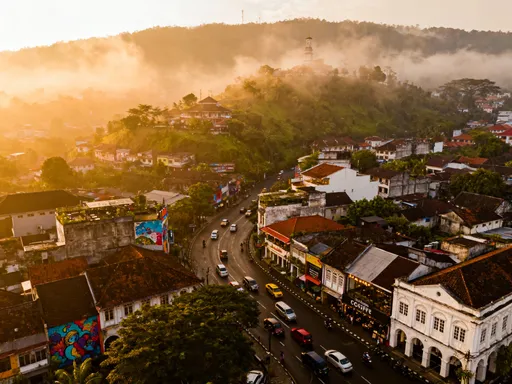
Perched at 768 meters above sea level, Bandung offers a refreshing reprieve from Indonesia’s humid lowlands. Known for its crisp mountain air, creative energy, and legacy of Dutch colonial architecture, the city has become a magnet for weekend travelers, young professionals, and design enthusiasts. Its reputation as a cultural and fashion capital is well-earned—street art lines alleyways, independent boutiques showcase local designers, and culinary scenes blend Sundanese tradition with modern flair. Yet beneath this polished image lies a complex urban fabric, one where charm and chaos often coexist.
What sets Bandung apart from other Indonesian cities is not just its elevation or aesthetic, but its patchwork of neighborhoods—each with its own rhythm, identity, and appeal. Some districts thrive on tourism, others serve local commerce, and many fall somewhere in between. The challenge for visitors lies in navigating this diversity without falling into the trap of assuming that popularity equals quality. A district buzzing on social media might be overcrowded and overpriced, while quieter areas may offer deeper cultural connections and more relaxed pacing.
The city’s fragmented nature stems from decades of organic growth, uneven development, and shifting economic priorities. Former residential areas have transformed into commercial hubs, while industrial zones quietly evolve into culinary destinations. This dynamic landscape means that Bandung cannot be experienced as a monolith. To truly appreciate it, travelers must approach it with intention—choosing where to stay, eat, and explore based on personal interests rather than generic recommendations.
Moreover, transportation remains a critical factor. Bandung’s road network struggles to keep pace with its growing population and visitor numbers. Traffic congestion, especially during weekends and holidays, can turn a 20-minute drive into an hour-long crawl. Selecting a district with good access to key attractions—or one that minimizes the need for constant movement—can significantly enhance comfort and enjoyment. Ultimately, the difference between a frustrating trip and a fulfilling one often comes down to location intelligence: knowing which part of Bandung aligns with your travel goals.
Dago: Style, Slopes, and Surprises
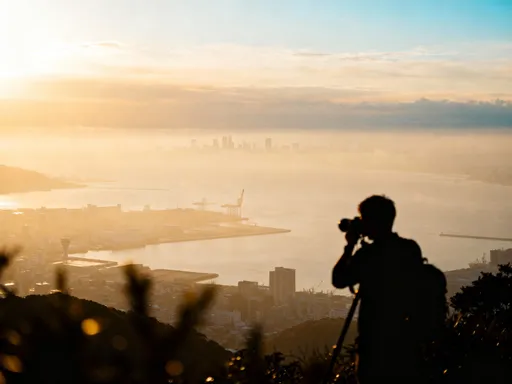
Dago stands as one of Bandung’s most iconic districts, often featured in travel guides and lifestyle magazines for its scenic hills, trendy cafes, and youthful atmosphere. Nestled along a winding road that climbs into the northern highlands, Dago exudes a bohemian elegance that appeals to both locals and tourists. The upper stretch, known as Dago Atas, is particularly renowned for its panoramic views, boutique accommodations, and stylish dining spots. It’s common to see couples enjoying coffee with mountain vistas, photographers capturing golden-hour light, and digital nomads working from cozy co-working spaces tucked between trees.
What makes Dago so appealing is its blend of natural beauty and curated urbanity. Places like The Stone Cafe & Gallery and Dago Tea House offer more than just food—they provide immersive experiences rooted in landscape and design. The architecture often incorporates wood, stone, and glass, creating a harmony between indoor comfort and outdoor serenity. For many visitors, Dago represents the ideal Bandung experience: relaxed, aesthetic, and effortlessly cool.
However, this popularity comes with significant drawbacks. On weekends and public holidays, Dago’s narrow roads become choked with vehicles, turning what should be a scenic drive into a test of patience. Traffic jams are frequent, and parking spaces are scarce, often forcing visitors to walk long distances from makeshift lots. The influx of tourists has also driven up prices, making once-affordable cafes and shops feel increasingly exclusive. Some longtime residents note that the area has lost some of its authenticity, replaced by a more commercialized, Instagram-driven culture.
Another challenge is the inconsistency in quality across venues. While there are standout establishments, many cafes and restaurants rely more on ambiance than culinary excellence. Visitors expecting exceptional food may be disappointed by generic menus and inconsistent service. Additionally, the lower part of Dago, closer to the city center, lacks the charm of its northern counterpart and suffers from heavier traffic and less pedestrian-friendly infrastructure.
To make the most of Dago, timing and strategy are essential. Visiting on weekdays, arriving early in the morning, or staying overnight in a guesthouse can help avoid peak crowds. Focusing on specific destinations rather than aimless exploration prevents wasted time and energy. Travelers should also consider walking or using ride-hailing apps instead of driving, as navigation can be confusing and parking unreliable. With careful planning, Dago remains a rewarding destination—but it demands awareness and flexibility.
Braga: The Polished Past
If Dago represents Bandung’s modern soul, Braga Street embodies its historical heart. Once the social epicenter of Dutch colonial society in the 19th century, Braga has undergone a careful restoration that blends heritage preservation with contemporary urban life. Today, the pedestrian-friendly stretch between Alun-Alun Bandung and Asia-Africa Street is lined with beautifully preserved Art Deco buildings housing cafes, art galleries, boutique shops, and co-working spaces. The wide sidewalks, vintage street lamps, and tree-lined promenade create an inviting atmosphere for strolling, photography, and cultural observation.
Braga’s revival began in the early 2000s, driven by local government initiatives and private investment aimed at revitalizing the city center. The results are evident: cracked facades have been repaired, underground utilities modernized, and public spaces redesigned for accessibility and comfort. During festivals like Bandung Light Festival or Heritage Days, the street comes alive with performances, light installations, and pop-up markets, drawing thousands of visitors eager to witness the city’s cultural renaissance.
For history enthusiasts and design lovers, Braga offers a rare opportunity to walk through a living museum of early 20th-century urban planning. Buildings such as the Savoy Homann Bidakara Hotel and Den Blauwen Tridonoso showcase intricate architectural details—arched windows, geometric motifs, and ornate ironwork—that reflect the era’s cosmopolitan influences. Information plaques and guided walking tours further enrich the experience, helping visitors understand the historical significance behind the facades.
Yet, for all its beauty, Braga’s polished appearance can feel somewhat sanitized. Some critics argue that the district has become more of a stage set than a lived-in neighborhood. The absence of everyday local activity—such as traditional markets, neighborhood warungs, or residential life—makes it feel more like a curated attraction than an organic community. While it captures the elegance of the past, it sometimes lacks the spontaneity and grit that give cities their true character.
Additionally, the focus on aesthetics and tourism means that Braga caters more to visitors than to locals. Prices in cafes and shops tend to be higher, and the offerings often prioritize international tastes over regional authenticity. As a result, while Braga is undoubtedly photogenic and historically significant, it may not fully represent the daily life of Bandung’s people. For travelers seeking deeper cultural immersion, it serves best as a starting point—a gateway to understanding the city’s layered identity, rather than a complete picture.
Cihampelas and the Fashion Trap
No discussion of Bandung would be complete without mentioning its reputation as a shopping haven—and no district symbolizes this more than Cihampelas. Centered around the sprawling Cihampelas Walk (Ciwalk), this area is a magnet for bargain hunters looking for branded fashion at steep discounts. Factory outlets line both sides of the street, offering everything from sportswear and leather goods to children’s clothing and accessories. Signs boasting “70% off” and “Buy One, Get One Free” flash from nearly every storefront, creating an atmosphere of constant sale.
The appeal is undeniable. For budget-conscious shoppers, especially families and groups, Ciwalk promises value and variety. Major Indonesian brands like Levi’s, Eiger, and Cressida operate official outlet stores here, lending credibility to the deals. Some visitors report finding high-quality items at a fraction of Jakarta or international prices, making it a strategic stop for wardrobe updates or gift shopping.
But the reality on the ground is more complicated. The sidewalks are often overcrowded, especially on weekends, making navigation difficult and tiring. The sheer volume of stores can lead to decision fatigue, with many appearing identical in layout and inventory. Quality varies significantly—while some outlets carry genuine surplus stock, others sell lower-tier lines or outdated collections labeled as “outlets.” Without careful inspection, shoppers risk paying for items that look good but wear poorly.
Another issue is the lack of unique or locally made products. Unlike areas known for handicrafts or independent designers, Cihampelas focuses on mass-produced goods. Travelers hoping to bring home something distinctly Bandung—such as batik, woven textiles, or artisanal souvenirs—may leave disappointed. The district’s emphasis on volume and speed also means that customer service is often minimal, with staff overwhelmed by crowds and little time for personalized assistance.
To avoid the fashion trap, smart shoppers adopt a strategic approach. Setting a clear budget, researching brands in advance, and focusing on a few priority stores can prevent impulsive buys. Visiting early in the day helps beat the crowds, and allowing time to try on clothes ensures better fit and quality assessment. For those interested in authentic local fashion, combining a visit to Ciwalk with stops at nearby creative markets—such as Rumah Mode or BSM Fashion Avenue—offers a more balanced shopping experience.
Pasteur & Setiabudi: Transit Zones or Hidden Gems?
Often dismissed as mere transit corridors, the districts of Pasteur and Setiabudi play a quiet but vital role in Bandung’s urban ecosystem. Located along the main toll road leading to Jakarta and the airport, these areas are frequently bypassed by tourists heading to more famous destinations like Lembang or Tangkuban Perahu. Characterized by office parks, logistics centers, and modern residential complexes, they don’t appear on most travel itineraries. Yet beneath their utilitarian surface lies a growing network of culinary hotspots, tech startups, and emerging lifestyle spaces.
One of the most surprising aspects of Pasteur is its food scene. Hidden within business complexes and side streets are some of Bandung’s best-kept culinary secrets—family-run restaurants serving authentic Sundanese cuisine, specialty coffee shops with expert roasting, and late-night eateries popular with local workers. Places like Warung Nasi Rame or Kopi Toko Tjikini have built loyal followings not through marketing, but through consistency and flavor. These spots offer a rare glimpse into everyday Bandung life, far removed from the tourist gaze.
Setiabudi, meanwhile, has become a hub for innovation and entrepreneurship. Co-working spaces and incubators host young tech companies developing apps, e-commerce platforms, and digital services. While not a destination for casual sightseeing, this district reflects Bandung’s evolving identity as a center for education and technology. The presence of Bandung Institute of Technology (ITB) nearby fuels this ecosystem, creating opportunities for collaboration and creativity.
For adventurous travelers, exploring these overlooked zones can yield unexpected rewards. A short detour during a commute can lead to a memorable meal or a conversation with a local entrepreneur. Staying in a business hotel in Setiabudi might offer more comfort and quiet than a crowded guesthouse in the city center. The key is shifting perspective: instead of seeing these areas as empty spaces between destinations, recognizing them as living parts of the city with their own rhythms and offerings.
That said, accessibility remains a challenge. Public transportation options are limited, and walkability is low due to wide roads and minimal sidewalks. Visitors without private transport or ride-hailing access may find exploration difficult. Signage is often in Indonesian, and English support is minimal. Therefore, venturing into Pasteur or Setiabudi works best with preparation—researching specific venues, using GPS navigation, and allowing extra time for travel.
Arts & Culture Beyond the Center: From Bandung Institute of Technology to Local Studios
While Braga and Dago capture much of the spotlight, Bandung’s true creative spirit thrives in quieter, less commercialized neighborhoods. Around the campus of Institut Teknologi Bandung (ITB), a vibrant subculture of art, music, and design pulses through narrow streets and converted warehouses. This is where students, independent artists, and cultural collectives experiment with new forms of expression—from street murals and performance art to experimental fashion and indie music gigs.
Areas like Sunda Street, Diponegoro, and Ganesha are home to small galleries, artist studios, and pop-up exhibitions that often go unnoticed by mainstream tourism. Spaces such as Galeri Soemardja and Mes 56 host rotating shows featuring emerging talent, while underground music venues like The Stone Cafe and Kafe Dago Pojok attract live bands and acoustic sets. These venues prioritize authenticity over spectacle, fostering a sense of community and creative exchange.
What makes these districts special is their accessibility. Unlike formal museums or curated festivals, many events here are open, informal, and free to attend. Visitors can strike up conversations with artists, watch live painting sessions, or even join workshops on traditional crafts like batik-making or bamboo weaving. Markets such as Pasar Seni ITB or Festival Kuliner Ganesha offer handmade goods, local snacks, and direct interaction with creators—experiences that feel personal and meaningful.
Yet, finding these spaces requires effort. They are rarely advertised in tourist brochures or mapped on mainstream apps. Discovery often comes through word of mouth, social media followings, or guided cultural walks led by local enthusiasts. Some venues operate on irregular schedules, opening only on weekends or during specific events. This unpredictability can be frustrating for time-limited travelers, but for those willing to explore, it adds an element of adventure and authenticity.
Engaging with Bandung’s grassroots culture also means respecting its context. These spaces are not designed for mass tourism but for local expression. Visitors should approach with humility, avoid intrusive photography, and support artists by purchasing their work when possible. By doing so, they contribute to the sustainability of these creative ecosystems rather than treating them as disposable attractions.
Choosing Wisely: Matching Districts to Your Travel Goals
Bandung is not a city to be consumed in a single, uniform way. Its strength lies in its diversity, and its challenge lies in its complexity. The key to a successful trip is not visiting the most famous places, but aligning your choices with your personal interests and travel style. A food lover will find greater satisfaction in the hidden warungs of Pasteur than in the crowded outlets of Ciwalk. A culture seeker will connect more deeply with the student-led art scenes near ITB than with the polished facades of Braga. A family looking for relaxation may prefer the quieter hills of Dago Atas over the weekend chaos of the lower streets.
Strategic planning begins with defining your priorities. Are you traveling for culinary discovery, creative inspiration, shopping, or simply rest? Once clear, you can map your stay accordingly. Staying in a central location like Braga offers walkability and access to heritage sites, while choosing a hillside guesthouse in Dago provides scenic views and a tranquil atmosphere. For those focused on local life, neighborhoods like Batununggal or Ciumbuleuit offer residential authenticity with growing food and cafe scenes.
Timing also plays a crucial role. Avoiding peak hours—typically Saturday afternoons and Sunday mornings—can drastically reduce travel stress. Scheduling outlet visits for weekday mornings, cultural events for festival weekends, and dining reservations during off-peak hours improves comfort and experience. Using ride-hailing apps like Grab or Gojek helps navigate traffic efficiently, while downloading offline maps ensures connectivity in areas with weak signals.
Finally, embracing flexibility enhances discovery. While planning is important, leaving room for spontaneity allows for unexpected encounters—stumbling upon a street performance, accepting a local’s recommendation, or finding a quiet garden café tucked behind a busy road. Bandung rewards curiosity and patience, revealing its layers to those who look beyond the surface.
In the end, the best trips to Bandung are not measured by how many places were checked off a list, but by how deeply one engaged with the city’s spirit. By choosing districts wisely, respecting local rhythms, and seeking authentic connections, travelers transform from passive observers into meaningful participants in Bandung’s evolving story. The city does not offer a single experience—it offers many. The choice of which one to embrace is yours.